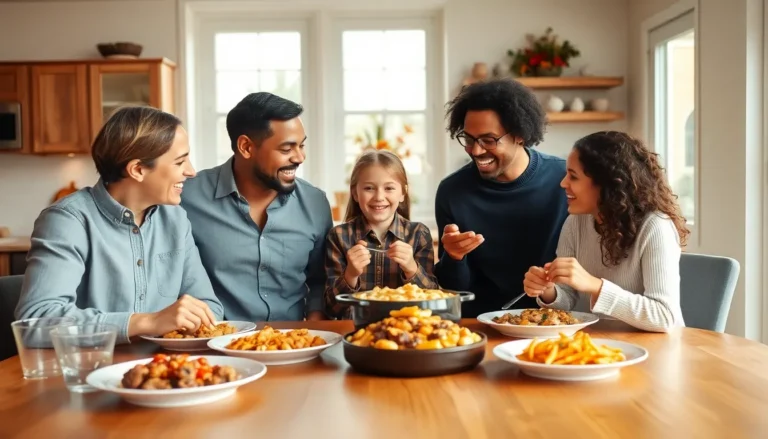

Family traditions, those delightful quirks and rituals that give life flavor, might just be the secret sauce to bonding closer with loved ones. Picture this: Grandma’s famous casserole, the annual holiday scavenger hunt, or even movie nights complete with popcorn. They might seem trivial at first glance, yet these recurring events provide a comforting rhythm to everyday life, bringing laughter, joy, and unity. In the grand tapestry of life, family traditions are the colorful threads that stitch the fabric together. So why not dive deeper into this intriguing realm? Let’s unravel what family traditions really are and why they matter more than ever.
The Importance of Family Traditions
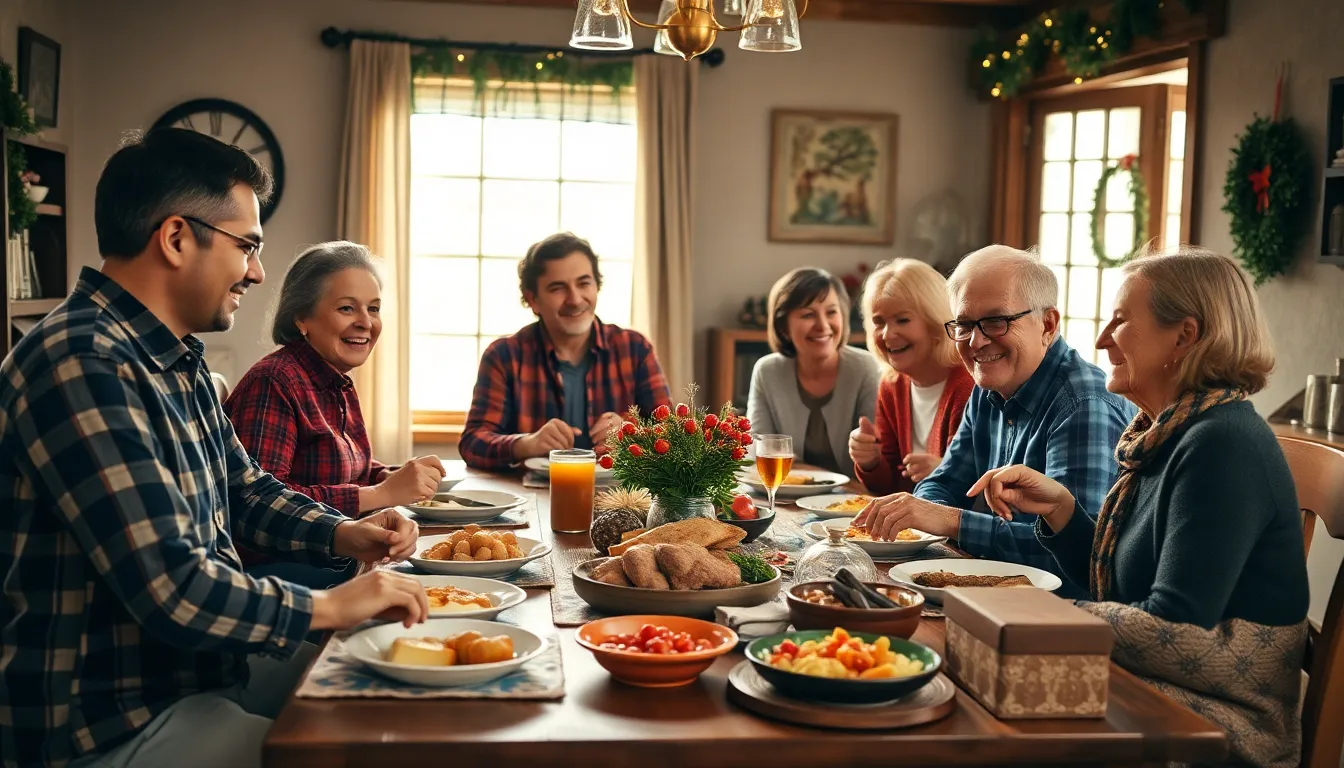
Family traditions serve as the backbone of relationships, fostering unity and connection within households. They create bonds and memories that last a lifetime.
Creating Bonds and Memories
When families gather around for a shared activity, whether it’s a weekly dinner or a holiday celebration, they cultivate an environment where communication flourishes. These moments become treasured memories, cherished long after the events have transpired. Kids who experience consistent traditions, like Sunday pancake breakfasts, often grow into adults who carry those memories into their own families. It transforms memory-making into a legacy.
Cultural and Religious Significance
Beyond personal bonding, family traditions often carry cultural and religious significance. Many cultures celebrate rituals that highlight important milestones, like weddings or births. Likewise, religious ceremonies might unite families, reinforcing their spiritual beliefs while honoring ancestral practices. Whether it’s lighting the menorah during Hanukkah or sharing a Thanksgiving meal, these traditions help reinforce identity and ensure that values are passed from one generation to the next.
Types of Family Traditions
Within the realm of family traditions, there are various types, each offering unique experiences and memories.
Celebratory Traditions
These typically revolve around significant life events, such as birthdays, anniversaries, or holidays. For instance, a family might have a unique way of celebrating New Year’s Eve, perhaps by writing resolutions and then sharing them before the clock strikes midnight. Celebrations carry the exuberance of joy and are often marked by specific rituals that hold a special meaning for the family.
Everyday Rituals
Traditions don’t need to showcase grandeur or extravagance. Simple everyday rituals, such as a family walk after dinner or reading a story together before bed, create comforting routines. These moments reinforce connection and remind family members they belong together, no matter how chaotic life may get.
Seasonal and Holiday Traditions
Seasonal changes invite a whole new cycle of traditions. Spring cleaning, summer barbecues, or autumn leaf pile jumping, families often find ways to celebrate the season’s essence. Holiday traditions can be particularly diverse, from celebrating Halloween with costume parades to decorating a Christmas tree, each bringing families closer together.
How to Establish New Family Traditions
Creating new family traditions can be an exciting try. It opens the door for families to explore shared interests and preferences.
Incorporating Individual Preferences
To successfully establish new traditions, it is crucial to incorporate individual preferences of family members. For example, if one child loves baking, a monthly baking day could evolve into a delightful Saturday routine. Engaging the unique aspects of each family member’s personality helps mold the tradition into a collective celebration of their identities. Not only does this create opportunities for joy and laughter, but it ensures that every voice is heard and valued.
Balancing Old and New Traditions
As families grow and evolve, maintaining a balance between old and new traditions becomes vital.
New members can join the family unit, such as partners or children from blended families. Welcoming these newcomers means finding ways to integrate their own traditions while honoring time-honored ones. Encouraging everyone to share their favorites can lead to a delightful mix, imagine a family merging Christmas with a partner’s Diwali celebration. Finding harmony in contrast enriches familial experiences, ensuring that traditions remain relevant and engaging through changing times.
Examples of Unique Family Traditions
In the realm of family traditions, some stand out for their uniqueness and creativity.
Consider the family that celebrates “Talk Like a Pirate Day” every September 19th, hosting a pirate-themed dinner complete with treasure hunts. Another example might be a ritual of writing annual letters to future selves, then reading them years later, such traditions actively encourage bonding through shared experiences and laughter. Various families emphasize different aspects of their heritage or culture, making traditions a beautiful mosaic of personal and collective histories.