
Table of Contents
ToggleMexican family traditions are a vibrant tapestry woven with love, laughter, and a dash of spice. From lively fiestas to heartfelt gatherings, these customs create bonds that even the strongest piñata can’t break. Imagine a Sunday afternoon filled with the aroma of homemade tamales, where stories are shared, and laughter echoes through the air.
Overview of Mexican Family Traditions
Mexican family traditions are vibrant and influential in shaping the identity of many communities. They include a variety of customs that emphasize the importance of family bonds and shared experiences. Celebrations often revolve around significant dates, such as birthdays, religious events, and national holidays.
Gatherings typically feature traditional foods, including tamales, enchiladas, and mole. These meals act as a centerpiece for festivities and serve as a way to strengthen family ties. Storytelling plays a vital role during these occasions, with grandparents frequently sharing tales that impart wisdom and cultural values.
Religious traditions hold considerable significance in Mexican families. Many observe rituals associated with Catholicism, including baptisms, quinceañeras, and Day of the Dead celebrations. Each ceremony not only honors the faith but also reinforces familial unity and respect for ancestors.
Music and dance are integral to various celebrations. Mariachi bands often perform during special occasions, creating an atmosphere filled with joy and excitement. Families frequently gather for dances, ensuring that each generation participates in preserving these cultural expressions.
Daily life also reflects traditional values. Respect for elders remains paramount, guiding interactions within the family unit. Family members often prioritize time spent together, whether through shared meals, game nights, or simply enjoying each other’s company.
By blending rituals from the past with contemporary practices, Mexican families continuously adapt while maintaining deep-rooted customs. These traditions foster a sense of belonging and identity that resonates through generations.
Importance of Family in Mexican Culture
Family forms the backbone of Mexican culture, where values and traditions are deeply interwoven. Strong ties among family members create support systems that are essential for emotional well-being.
Family Values
Respect exemplifies family values in Mexican society. Honoring relationships fosters loyalty and commitment, ensuring that members prioritize family gatherings. Love and care manifest in daily interactions, where shared meals and celebrations strengthen bonds. Celebrating achievements, no matter how small, brings families together, reinforcing unity. Communication and collaboration stand as essential aspects, emphasizing the need for everyone’s voice in family matters.
Role of Elders
Elders possess a revered status within families. Their wisdom serves as a guiding force, often shaping traditions for future generations. Grandparents frequently share stories filled with cultural significance and life lessons. Celebrating milestones, such as quinceañeras and weddings, highlights elders’ roles in preserving customs. Their presence in daily life fosters respect and teaches younger members the values of responsibility and unity. Elders promote cultural continuity, ensuring that long-standing traditions remain alive within the family.
Celebrations and Rituals
Celebrations and rituals form the heart of Mexican family traditions, emphasizing togetherness and cultural heritage. These occasions bring families closer, fostering a strong sense of unity.
Family Gatherings
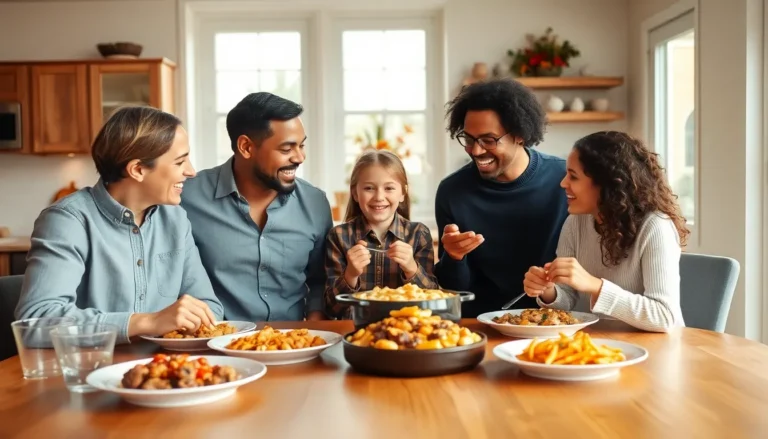
Family gatherings frequently occur during holidays and special events. Children play while adults share stories, creating an atmosphere filled with laughter. Meals featuring traditional foods like tamales and mole play a central role in these celebrations. Generations connect over food, which acts as a medium for cultural legacy. Birthdays and anniversaries also serve as important milestones, with families coming together to honor each other. Emphasizing hospitality, hosting and attending gatherings solidify the bonds that reinforce love and support among relatives.
Religious Observances
Religious observances deeply influence family traditions in Mexico. Events such as baptisms, quinceañeras, and Day of the Dead highlight the importance of faith and ancestors. These rituals connect family members through shared beliefs and communal activities. Participants often prepare altars decorated with photographs and offerings for loved ones who have passed on. Participation in mass and special prayers promotes togetherness, united by their shared spirituality. Elders often lead these ceremonies, imparting wisdom and cultural values, emphasizing the transition from one generation to the next.
Traditional Mexican Cuisine in Family Life
Traditional Mexican cuisine occupies a central place in family life, showcasing rich flavors and cultural heritage. Meals serve as a backdrop for bonding and celebrating shared history.
Signature Dishes
Signature dishes reflect regional diversity, often featuring ingredients like corn, beans, and chilies. Tamales provide a perfect example, as families gather to prepare and enjoy them together. Mole, with its complex flavors, often graces special occasions, enhancing celebratory meals. Enchiladas and pozole also feature prominently, each telling a story of tradition through their preparation and consumption. Celebrations highlight how these dishes foster togetherness, serving as a bridge between generations.
Family Recipes
Family recipes represent treasured connections between loved ones. Many families pass down recipes through generations, creating a sense of identity and belonging. Grandparents often teach grandchildren the art of cooking traditional meals, ensuring cultural values endure. Recipes such as salsa and barbacoa vary from home to home, capturing unique family histories. Each dish not only nourishes the body but also reinforces love and shared memories, shaping family dynamics and traditions.
Impact of Modernization on Family Traditions
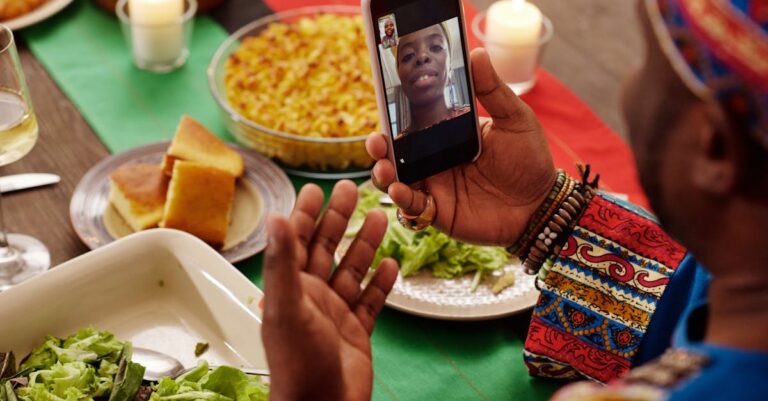
Modernization influences Mexican family traditions, bringing both challenges and opportunities. Family gatherings, once centered around specific rituals, now evolve with social media and technology, creating virtual connections among relatives. Traditional food preparation, deeply rooted in history, faces competition from fast-food options, altering culinary practices.
Changes in work schedules also affect family dynamics. Dual-income households lead to less time spent together, impacting the frequency of family gatherings. Despite this, many families adapt by establishing new routines that incorporate modern conveniences while honoring cherished traditions.
Younger generations embrace technology, using it to share cultural heritage. Through videos and social media, they showcase traditional practices, helping to keep customs alive. Family recipes may transform but continue to exist within the context of modern life, as families strive to maintain a sense of identity amidst change.
Communal celebrations still thrive, even if their formats shift. Birthday parties and quinceañeras may incorporate contemporary elements, yet they maintain essential cultural significance. Elders often play a vital role in preserving traditions, sharing stories that reinforce family bonds while also adapting to modern contexts.
Importantly, the core values of respect and togetherness remain intact. Families prioritize sharing meaningful experiences, blending the old and new into their daily lives. While modernization presents challenges, it also fosters creativity within traditions, ensuring they remain relevant for future generations.
Mexican family traditions are a vibrant tapestry of love respect and shared experiences. These customs not only strengthen bonds among family members but also preserve cultural heritage across generations. Through joyful gatherings delicious meals and meaningful rituals families create lasting memories that define their identities.
As they navigate modernization families continue to adapt while holding onto their cherished practices. This dynamic blend of old and new ensures that the essence of Mexican traditions remains alive fostering a sense of belonging and unity. Ultimately these traditions serve as a reminder of the importance of family ties and the joy found in togetherness.