
Table of Contents
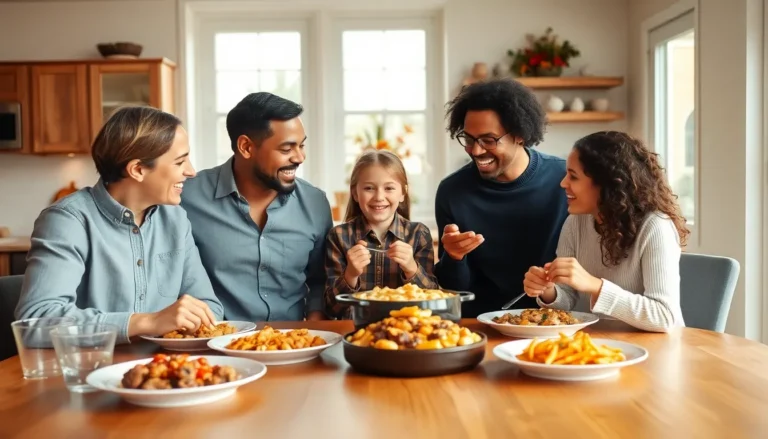
ToggleGermany is a country rich in history and culture, and its family traditions are no exception. From festive gatherings to quirky customs, these traditions weave a colorful tapestry that binds families together. Imagine a Sunday afternoon filled with laughter, delicious homemade dishes, and perhaps a spirited debate over the best way to eat sauerkraut.
Overview of German Family Traditions
German family traditions reflect a diverse cultural heritage filled with warmth and connection. Families often gather for special occasions, celebrating events like Christmas and Easter with unique customs. Festive meals play a significant role, featuring traditional dishes such as roast goose and marzipan.
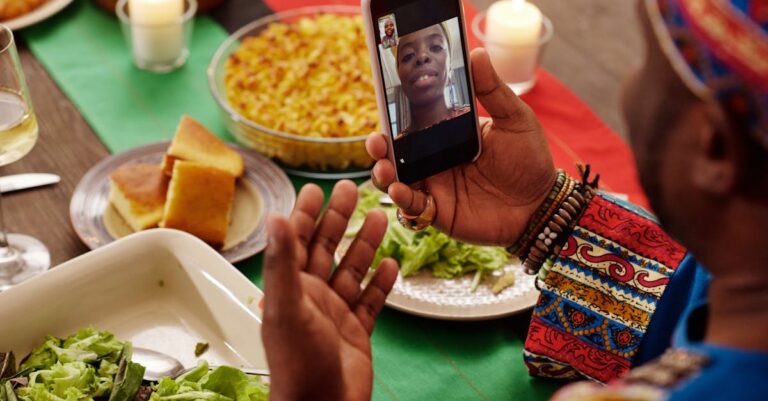
Sunday afternoons typically serve as prime time for family reunions. Lively discussions accompany homemade food, allowing family members to share stories and memories. Children’s involvement is crucial; they join in various activities, fostering a sense of belonging.
Many families also engage in seasonal traditions. Advent marks the countdown to Christmas, where families create wreaths and light candles each Sunday. Oktoberfest brings families together to enjoy local beer, sausages, and music, highlighting the importance of community.
Evening routines often involve shared experiences. It’s common for families to watch movies or play board games, reinforcing family ties. Weekend excursions to parks or local attractions strengthen connections and create lasting memories.
German family traditions emphasize respect and continuity. Elders play a vital role, passing down customs and values to younger generations. Celebrating milestones, like birthdays and anniversaries, further solidifies these bonds, showcasing the importance of family in everyday life.
Through these customs, Germans nurture their family relationships while celebrating their cultural identity. The sense of togetherness is evident in every gathering, making these traditions an integral part of life in Germany.
Historical Context
Traditional German family customs trace their roots back centuries, influenced by various historical, social, and religious factors. These traditions continue to shape family interactions and cultural practices.
Influence of Religion
Christianity plays a pivotal role in shaping German family traditions. Both Catholic and Protestant practices influence festive occasions. Families often gather for services during Easter and Christmas, reinforcing spiritual connections. For instance, Advent marks a time of preparation, with families lighting candles on wreaths. This practice nurtures a sense of anticipation and unity. Religious observances frequently incorporate communal meals, such as festive roasts or baked goods shared among relatives. Many families uphold these rituals, ensuring cultural continuity through generations.
Regional Variations
Regional customs highlight the diversity of German family traditions across the country. In Bavaria, Oktoberfest attracts families with celebrations involving beer and traditional foods like pretzels. Northern regions might emphasize traditions featuring fish dishes during holidays. Each area boasts unique festivals, such as the Carnival in Cologne, where families often dress up in vibrant costumes. These events serve as vital community gatherings. Local folklore and dialect contribute to distinct practices, ensuring families maintain their regional identities. Emphasis on specific customs reflects how geographical influences shape family traditions across Germany.
Significant Family Celebrations
German families celebrate significant occasions with rich traditions, particularly during Christmas and Oktoberfest. These celebrations serve to strengthen family ties and connect generations through shared experiences.
Christmas Traditions
Christmas in Germany features unique customs filled with warmth. Families often gather around decorated trees on Christmas Eve, exchanging heartfelt gifts. Traditional meals include roast goose or carp, enjoyed together at the dinner table. Advent calendars create anticipation, counting down the days with small surprises. Attending church services reinforces spiritual traditions, while caroling and festive markets enhance community spirit. Children eagerly await St. Nicholas on December 6, who fills their shoes with treats. Each of these customs builds lasting memories, solidifying familial bonds.
Oktoberfest Celebrations
Oktoberfest stands out as a quintessential German festival. Families join the celebration in Munich, enjoying traditional foods like pretzels and sausages. Iconic beer tents offer a gathering place for both locals and tourists. Participants dress in traditional attire, such as lederhosen and dirndls, enhancing the festive atmosphere. Family-friendly activities include amusement rides and games, engaging all ages. Celebrations often extend beyond Munich, with regional festivals reflecting local culture. Each event strengthens community connections and preserves heritage, making Oktoberfest a beloved family tradition.
Family Roles and Dynamics
Family roles in Germany often reflect a blend of traditional values and modern influences. Parents typically emphasize autonomy while maintaining strong discipline. Children are encouraged to express themselves, which fosters open communication. Mothers frequently take on nurturing roles, while fathers often serve as primary providers. However, evolving dynamics see more fathers actively participating in childcare and household responsibilities.
Parenting Styles
Parents in Germany generally adopt a balanced approach to parenting. Authoritative styles dominate, blending warmth with structure. Respect for children’s opinions becomes essential, promoting independent thought. Many parents utilize educational methods, encouraging learning through play and exploration. A strong emphasis on fostering self-reliance contributes to children’s development. Open discussions regarding feelings and responsibilities create a supportive environment.
Importance of Extended Family
Extended family plays a vital role in German society, often providing essential support and stability. Frequent gatherings strengthen relationships among relatives, enhancing familial bonds. Grandparents actively engage in childcare, offering wisdom and continuity. Significant life events often involve close relatives, ensuring a sense of belonging. Heritage and traditions are passed down through these connections, helping younger generations appreciate their cultural roots. Engaging in family celebrations fosters unity and shared experiences that enrich lives.
Traditional German Cuisine
Traditional German cuisine reflects rich family traditions, marked by hearty meals and shared recipes. Dishes often unite families during gatherings, fostering connection and continuity.
Family Recipes
Family recipes hold sentimental value, passed down through generations. Classics like Sauerbraten, a pot roast marinated in a tangy mixture, showcase regional flavors. Dumplings, or Knödel, vary in preparation and ingredients, from potato to bread. Sauerbraten is typically served with red cabbage and potato dumplings, creating a complete and satisfying meal. Festive occasions often feature roast goose, embodying special celebrations. Every family may have its unique spin on these cherished dishes, preserving a legacy through culinary practice.
Seasonal Dishes
Seasonal dishes enhance family gatherings throughout the year. Spring calls for Asparagus, celebrated with hollandaise sauce or melted butter. In summer, Grilled Bratwurst becomes a popular barbecue choice, bringing family together outdoors. Autumn embraces hearty soups such as Kürbissuppe, pumpkin soup, warming both body and spirit. Winter holidays introduce Stollen, a fruit bread filled with spices and nuts, served during Advent. Each season serves as a backdrop for families to gather, share recipes, and create lasting memories associated with different culinary delights.
German family traditions embody a rich tapestry of cultural heritage that strengthens bonds across generations. Through festive gatherings and shared meals, families cultivate connections that endure through time. Special occasions like Christmas and Oktoberfest not only celebrate heritage but also create lasting memories that resonate with warmth and joy.
The blend of traditional values and modern influences shapes family dynamics, fostering an environment of open communication and support. As families come together to share stories and recipes, they pass down cherished customs that enrich their lives. Ultimately, these traditions are more than mere practices; they are the heart of German family life, ensuring that the essence of community and belonging thrives in every home.