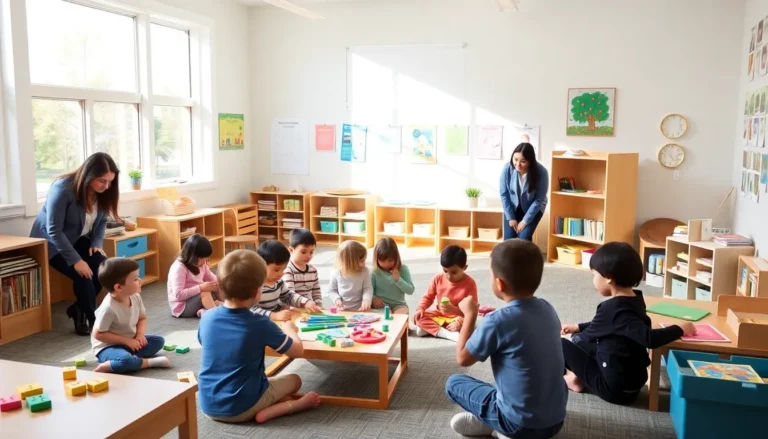

If you’ve ever wondered how children can learn so much while appearing to play, you might be on the brink of discovering the wonders of Geiger Montessori. Imagine a classroom where children are encouraged to explore, create, and learn autonomously, all while being guided by dedicated educators. It sounds like a dream, right? But it’s a reality at Geiger Montessori, where the educational approach is as enriching as it is engaging. Let’s jump into what makes Geiger Montessori a beacon of innovative education, perfect for your little learners.
Understanding the Montessori Method
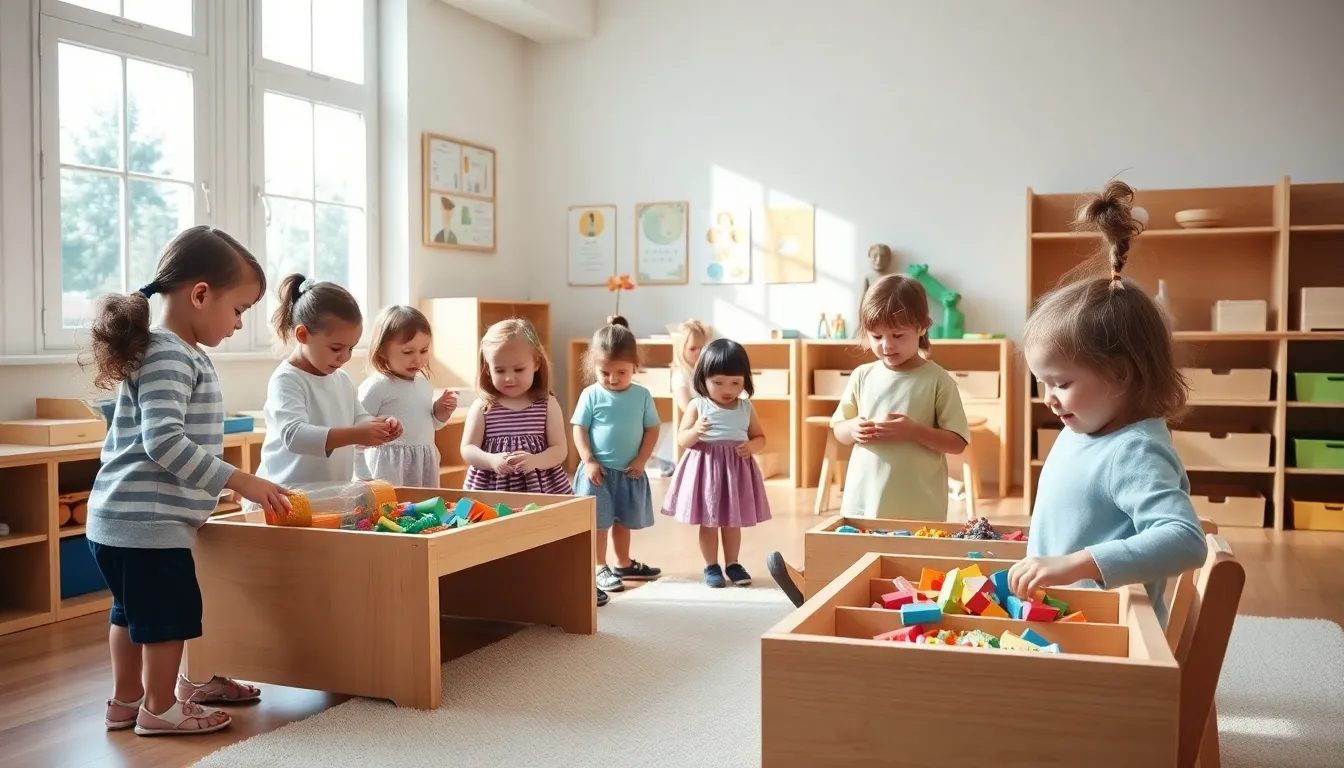
The Montessori Method is an educational philosophy founded by Dr. Maria Montessori over a century ago. Its core belief centers around the idea that children are naturally curious and capable learners. This method allows children to develop at their own pace, engaging with materials that foster independence and critical thinking.
In a Montessori environment, classrooms are designed to encourage exploration. They are filled with Montessori materials, specially designed tools that invite children to learn through their senses. This hands-on approach not only enhances sensory development but also paves the way for a deeper understanding of various concepts. Individualized learning plans and mixed-age classrooms further enhance social skills and peer learning, making it a unique educational experience.
Key Principles of Montessori Education
Montessori education operates on several key principles that differentiate it from traditional schooling. First, child-centered learning is paramount. The belief that each child learns in their own way underpins this approach. Students choose their own activities, allowing them to pursue interests deeply and meaningfully.
Another pillar is the prepared environment. Classrooms are meticulously organized with various learning materials that are accessible to children. This not only empowers them to take charge of their learning but also encourages them to develop a sense of responsibility.
Finally, respect for the child is a foundational theory. Educators are trained to observe rather than instruct, allowing children space to learn and discover through their own efforts.
The Geiger Montessori Experience
Curriculum and Learning Environment
At Geiger Montessori, the curriculum is rich and diverse, covering core subjects like math, science, and language arts while integrating practical life skills. Children engage in projects that connect various subjects, promoting a comprehensive understanding of their lessons. The learning environment itself is peaceful and inviting, encouraging students to explore freely and create at their own pace.
Teacher Training and Qualifications
Teachers at Geiger Montessori undergo rigorous training, ensuring they are well-versed in Montessori principles and practices. They become adept observers and facilitators, guiding students without imposing learning. This type of interaction fosters an environment that values curiosity and promotes self-discovery.
Community and Parental Involvement
Geiger Montessori believes that education is a partnership. Parent engagement is crucial and actively encouraged. From workshops to hands-on volunteering opportunities, parents can immerse themselves in the Montessori philosophy. This not only strengthens community ties but also leads to a consistent learning experience for the children both at school and at home.
Benefits of Geiger Montessori Education
Choosing Geiger Montessori for your child comes with myriad benefits. Children develop independence and self-discipline, skills crucial for lifelong learning. They learn to collaborate with peers, enhancing their social skills, as they work in mixed-age classrooms. The emphasis on critical thinking prepares students not just for academic success but life challenges ahead.
Also, students often exhibit a heightened motivation and love for learning, resulting from the freedom they experience in a Montessori environment.
Challenges and Considerations
While Geiger Montessori offers fantastic learning opportunities, it’s essential to consider a few challenges. Not all students may thrive in a self-directed environment. Some may struggle without more structured guidance. Also, the transition from a Montessori approach to a traditional one can sometimes pose difficulties for students. Ensuring that both parents and students are prepared for the Montessori experience is key.