
Table of Contents
ToggleFamily traditions in Mexico are like a vibrant piñata bursting with color and flavor. They bring people together, creating bonds that last through generations. From lively fiestas to mouthwatering feasts, these customs are not just rituals; they’re the heartbeat of Mexican culture. Imagine the aroma of tamales wafting through the air as families gather to share stories and laughter.
Overview of Family Traditions in Mexico
Family traditions in Mexico encompass a wide range of practices that reflect the country’s rich cultural heritage. Celebrations like Día de los Muertos and Navidad serve as vital occasions for families to come together, honoring both the living and the deceased. Each event features unique customs, creating memorable experiences for participants.
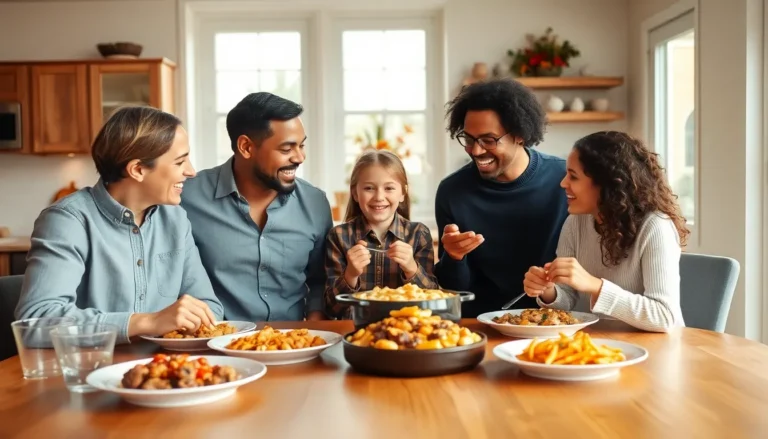
Communal meals often play a central role in these traditions. Foods such as tamales, pozole, and other regional dishes unite families and encourage shared storytelling and laughter. Each recipe often carries historical and familial significance, connecting generations through shared culinary heritage.
Additionally, religious festivities also significantly shape family traditions. Events like Quinceañera highlight the transition of girls into womanhood, celebrating cultural values and family ties. This elaborate celebration involves elaborate rituals, music, and dancing, showcasing family unity and pride.
Many families participate in weekly gatherings, where they engage in games, share meals, and cultivate bonds. Such interactions strengthen relationships, fostering a sense of belonging and community.
Cultural events and festivals across the country bring families together, serving as platforms for expressions of identity and solidarity. Activities during these occasions include traditional dances, crafts, and music, allowing families to showcase their heritage.
While family structures may vary in Mexico, the emphasis on unity remains constant. Embracing traditions cultivates resilience among families, helping them navigate challenges and celebrate joys together.
Importance of Family in Mexican Culture
Family holds a central place in Mexican culture, shaping identities and promoting strong community ties. These connections run deep, influencing various aspects of life.
Historical Context
Traditional family structures in Mexico have roots dating back to pre-Columbian civilizations. Ancient cultures practiced kinship bonds, fostering community cooperation. Colonial influences also shaped family dynamics, emphasizing Catholic values and hierarchical roles. Family gatherings became essential, providing spaces for cultural transmission. Over time, these practices became ingrained in Mexican identity, creating a lasting impact that resonates today.
Modern Dynamics
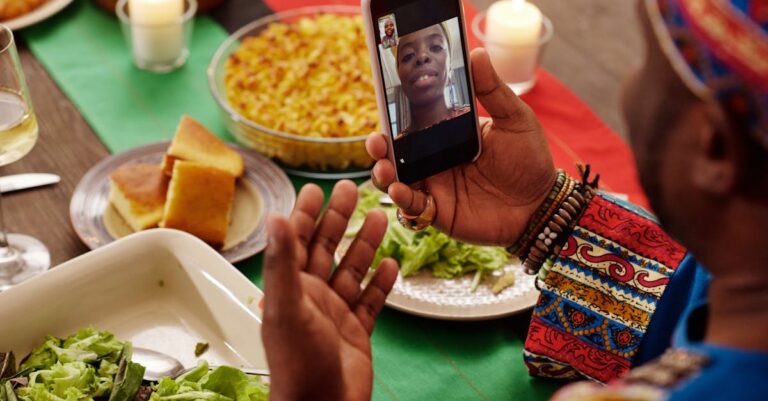
Contemporary family structures in Mexico reflect evolving societal norms. Nuclear families coexist with extended kin networks, blending tradition with modernity. Many families maintain close ties, often gathering weekly for meals and celebrations. Digital communication tools facilitate connections, allowing distant relatives to participate in family events. Nonetheless, cultural values surrounding respect, loyalty, and obligation continue to guide family interactions, strengthening relational bonds.
Common Family Traditions in Mexico
Family traditions in Mexico are deeply rooted in cultural practices that create lasting bonds among relatives. These traditions often manifest in vibrant celebrations and meaningful customs.
Celebrations and Holidays
Día de los Muertos unites families in remembrance of loved ones who have passed, featuring altars adorned with photographs, flowers, and favorite foods. Christmas, or Navidad, includes festive gatherings with traditional dishes like bacalao and buñuelos, fostering unity and joy. Special occasions like weddings and anniversaries strengthen connections, with ceremonies blending cultural elements and family legacies. Various local festivals, such as La Guelaguetza in Oaxaca, showcase unique regional customs, enriching the family experience and celebrating community heritage.
Rituals and Customs
Rituals play a significant role in strengthening family ties in Mexico. Quinceañera symbolizes a girl’s transition to womanhood and involves elaborate ceremonies with family and friends, emphasizing cultural values. Weekly family meals serve as opportunities for sharing stories, reinforcing memories, and promoting closeness. Celebrations of life events, such as baptisms and confirmations, frequently involve large gatherings that honor familial connections. Many families maintain rituals that revolve around faith, highlighting the importance of shared beliefs and practices in daily life.
Regional Variations of Family Traditions
Family traditions in Mexico exhibit regional diversity, with unique customs reflecting local identities. Northern and southern states celebrate distinct traditions that showcase the rich cultural tapestry of the country.
Traditions in Northern Mexico
In Northern Mexico, traditions often emphasize agriculture and ranching, which shape family gatherings. Celebrations frequently highlight foods like carne asada, tamales, and local wines. Large fiestas are common, bringing families together for outdoor activities and games. Events like the Fiesta de la Candelaria also stand out, where families honor the Virgin of Candelaria with processions and communal meals. In this region, rodeos serve as bonding opportunities, allowing families to engage in traditional pastimes. Music, particularly norteño and banda, enriches these celebrations, infusing life into family gatherings.
Traditions in Southern Mexico
Southern Mexico showcases vibrant traditions rooted in indigenous cultures and communal practices. Celebrations often center around traditional festivals like Día de los Muertos and Guelaguetza, which feature colorful costumes and dances. Families come together to create altars adorned with flowers and offerings for the deceased during Día de los Muertos. Regional foods, such as mole and tlayudas, are integral to these celebrations, emphasizing local culinary heritage. Additionally, communal gatherings facilitate storytelling, preserving ancestral knowledge and strengthening ties. Music and traditional crafts play a vital role, reflecting cultural pride while fostering connections among family members.
Impact of Globalization on Family Traditions
Globalization significantly influences family traditions in Mexico, resulting in both positive and negative outcomes. Modern communication technologies enhance connections among family members, regardless of distance. Additionally, exposure to international cultures prompts the incorporation of diverse elements into traditional festivities.
Families increasingly blend local customs with global practices, creating hybrid celebrations that reflect a wider array of influences. For instance, some families incorporate elements of Halloween into Día de los Muertos, merging cultural significance with contemporary trends. This blending showcases adaptability while maintaining foundational traditions.
Moreover, economic changes lead to varying family structures, with some families embracing nuclear arrangements while others adhere to extended kin networks. Each structural change reshapes the ways families interact and celebrate their heritage. New work schedules and migration patterns often result in fewer traditional gatherings, altering communal experiences.
In many urban areas, younger generations experience cultural dilution due to the prevalence of global consumer culture. Fast food chains and mass media impact dietary customs and alter traditional recipes. Several families adopt modern, convenience-driven lifestyles, affecting the preparation and enjoyment of traditional meals.
Despite these shifts, core values—such as respect, loyalty, and kinship—remain vital in family interactions. They act as anchors, guiding relationships even as external influences shift. Local traditions still hold significance, often reinforcing national identity amid global trends.
Overall, Mexico’s family traditions continue to evolve in response to globalization. This evolution reflects a dynamic interplay between preserving heritage and embracing new influences, shaping the future of familial connections.
Family traditions in Mexico are a vibrant reflection of the country’s rich cultural heritage. They serve as a foundation for unity and connection across generations. From lively celebrations to shared meals, these customs create lasting memories and foster strong relationships.
As families navigate modern influences, the essence of respect and loyalty remains at the core of their interactions. The blend of traditional practices with contemporary elements showcases the adaptability of these customs. Ultimately, Mexican family traditions not only preserve cultural identity but also strengthen bonds that withstand the test of time.