
As the holiday season approaches, families all over the world are gearing up for their favorite time of year, Christmas. Amidst the hustle and bustle of shopping, cooking, and decorating, one thing remains constant: family Christmas traditions. These cherished practices can range from the simple to the extravagant, weaving a tapestry of memories that makes this time of year all the more special. So why do we hold onto these traditions like a grandma holds onto her heirloom ornament? Because they cultivate connection, spark joy, and create lasting memories. Let’s jump into the importance of these customs and explore how every family can create their own unique holiday magic.
The Importance of Family Christmas Traditions

Family Christmas traditions serve as the glue that binds loved ones together during the holiday season. They provide a sense of belonging, something everyone craves, especially during festive times. When families gather around the tree to unwrap gifts or string popcorn for garlands, they’re not just participating in activities: they’re building a legacy that transcends generations.
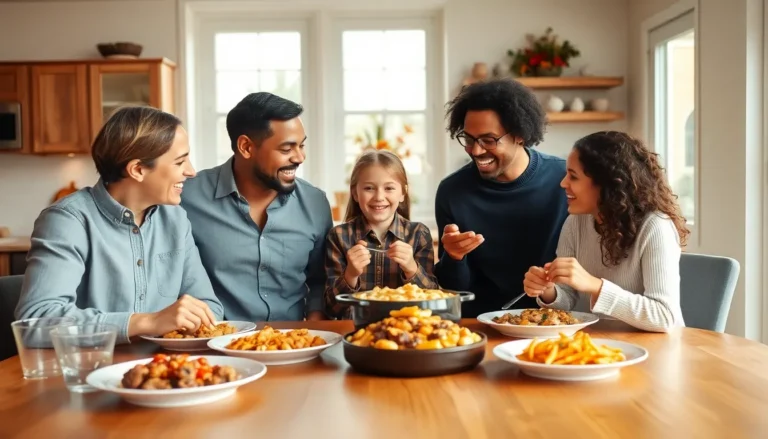
Traditions create opportunities for family bonding. Whether it’s baking cookies, watching a beloved holiday film, or going caroling, these moments foster togetherness and make the holidays feel special. They offer a chance for family members to share stories, laugh, and sometimes even shed a tear over fond memories of those no longer with them. All these experiences anchor families, providing them with continuity in an ever-changing world.
Also, let’s not forget that traditions can be a source of laughter and fun. Whether it’s the family member who can never quite grasp the art of the perfect Christmas turkey or the one who insists on wearing a hideous holiday sweater, such quirks enhance the joyful atmosphere, making gatherings unforgettable.
But the importance of family Christmas traditions goes beyond just family gatherings: they can also instill values in children. Through these traditions, kids learn about giving, gratitude, and the importance of family. They also understand that while gifts are nice, the true essence of the holiday lies in connection and love.
Popular Family Christmas Traditions Around the World
Christmas traditions differ vastly from country to country, each reflecting their unique cultures and history. For instance, in the United States, many families gather around to decorate Christmas trees and light up their homes with dazzling lights. This tradition can sometimes escalate into a friendly neighborhood competition.
Traveling overseas, in Mexico, one finds the vibrant celebration of Las Posadas, where families reenact Mary and Joseph’s search for shelter. This tradition beautifully illustrates a community coming together, full of song and joy.
While in Italy, the Feast of the Seven Fishes is a popular Christmas Eve dinner. Families gather to celebrate with a seafood feast, feasting on different fish dishes, a delightful taste of tradition.
In Sweden, families celebrate with the Advent calendar, counting down the days to Christmas with small gifts or treats. Who could resist a tiny chocolate or toy each day? It’s a festive ritual that children eagerly anticipate each December.
Across the globe, these traditions vary but also share a common thread: they emphasize family, love, and the spirit of giving, contributing to a collective celebration that transcends borders.
Creating Your Own Unique Christmas Traditions
Crafting unique Christmas traditions can be an exciting try for any family. The beauty of traditions lies in their ability to be tailored to fit individual family dynamics and values. Start by gathering family members for a brainstorming session, a fun activity that may even lead to some unexpected ideas.
One popular way to create new traditions is to incorporate cultural elements into the festivities. If you have roots in a different country, consider introducing traditional foods or customs from your heritage. For example, if you hail from Germany, celebrate with Stollen, a fruit-filled bread, during the Christmas season.
Another idea is to focus on activities that resonate with family interests. If everyone loves movies, perhaps a Christmas movie marathon with hot cocoa and popcorn becomes a staple. Or if your family enjoys the great outdoors, start a tradition of outdoor adventures like ice skating or sledding.
Don’t forget to document these new traditions. Whether through photos, videos, or a family scrapbook, preserving the memories can make these activities feel even more special over time. Eventually, these newly forged traditions will become just as beloved as those passed down through generations.
Tips for Maintaining Family Christmas Traditions
Once family Christmas traditions have been established, the challenge lies in maintaining them year after year. Here are a few tips to help families keep the spirit alive:
- Plan Ahead: As busy schedules take over, coordinating family gatherings can become tricky. Consider setting specific dates for annual events, ensuring everyone can clear their calendars.
- Keep It Simple: Sometimes, families feel pressured to create elaborate traditions. Recollecting shared memories can be as simple as lighting a candle, sharing a meal, or even a silly game night.
- Involve Everyone: Ensure all family members, especially children, play a role in the traditions. This fosters a sense of ownership and engagement, making every member feel valued.
- Be Flexible: While traditions are important, don’t shy away from adapting them based on life changes. Melding new traditions with the old can create a beautiful blend of continuity and freshness.
- Make it Fun: Incorporate elements of surprise or friendly competition to keep traditions exciting. Perhaps a mystery gift exchange can add an exciting twist to traditional gift-giving.
Adapting Traditions for a Modern Family
As families evolve, so too do traditions. Modern families often encounter unique challenges, such as busy schedules, distant loved ones, and diverse cultural backgrounds. Fortunately, traditions can easily adapt.
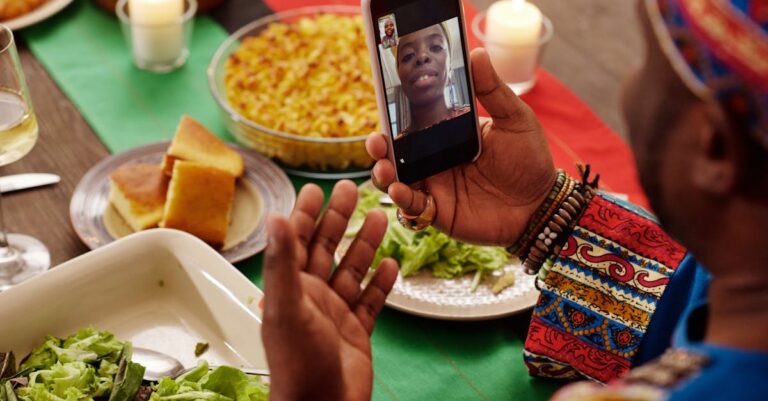
For instance, with families spread across cities or states, utilizing technology can ensure everyone feels included. Virtual gatherings for decorating the tree or cooking together can create shared experiences from afar. Video calls allow distant relatives to partake in cherished traditions, keeping everyone connected, regardless of geography.
Also, blending traditions from different cultural backgrounds can enrich holiday celebrations. If one partner follows a different faith or cultural practice, why not meld those celebrations into your own? Creating a hybrid tradition can instill a sense of unity while honoring each family member’s heritage.
Traditions should evolve, allowing room for creativity and flexibility. They’re more about the moments shared than the specific activities performed. As families grow and change, so too can their traditions, ensuring they remain relevant and enjoyable.