
Ah, family, that delightful chaos of love, laughter, and maybe a bit too much opinion on your life choices. In Chinese culture, family holds an exceptional place, often dictating the rhythm of life. They say it takes a village, and in this case, that village might just be your extended clan, whether you want it to be or not. Ever wondered how traditions from the land of the dragon shape familial bonds? Well, buckle up because we’re diving into the intriguing realm of Chinese family traditions, where respect meets a delightful touch of joy.
The Importance of Family in Chinese Culture
Family in Chinese culture is not just a unit: it’s an intricate tapestry woven from centuries of tradition and values. The Chinese character for family (家) even captures this sentiment, symbolizing a home with a roof over it. Here, family isn’t merely about shared bloodlines but extends to close friends who are treated like kin. From an early age, children are taught that the family unit represents stability and security, grounding them amid an ever-changing society. This emphasis on family can be traced back to Confucian teachings, which stress filial piety, a phrase that sounds fancy but simply means respecting one’s parents and ancestors. Honor, duty, and respect to elders are seen not just as virtues: they’re a way of life. Such principles create a strong backbone in family dynamics, ensuring decisions are often collective rather than individualistic, making family gatherings both charming and often a bit awkward.
Key Values in Chinese Family Life
In the realm of Chinese family life, certain values reign supreme. First and foremost is respect. Whether it’s for the elder relative seated at the head of the table or the youngest cousin trying their hand at karaoke, the concept of respect permeates every interaction. Next, there’s the priceless notion of harmony. Families strive to maintain a peaceful atmosphere, often prioritizing group consensus over individual opinions. You could say it’s all about keeping the peace, even if that means swallowing the occasional disagreement. Alongside respect and harmony, education is highly valued. Families put immense importance on academic success, often investing substantial time and resources into their children’s education. After all, who wants to bring home anything less than an A? And let’s not forget about collectivism, a compelling force shaping actions and beliefs. From decisions to celebrations, the family unit often comes before personal aspirations. In this setting, being a part of a collective means embracing all its idiosyncrasies and quirks, ensuring that every gathering is a lesson in patience and love.
Traditional Family Gatherings and Celebrations
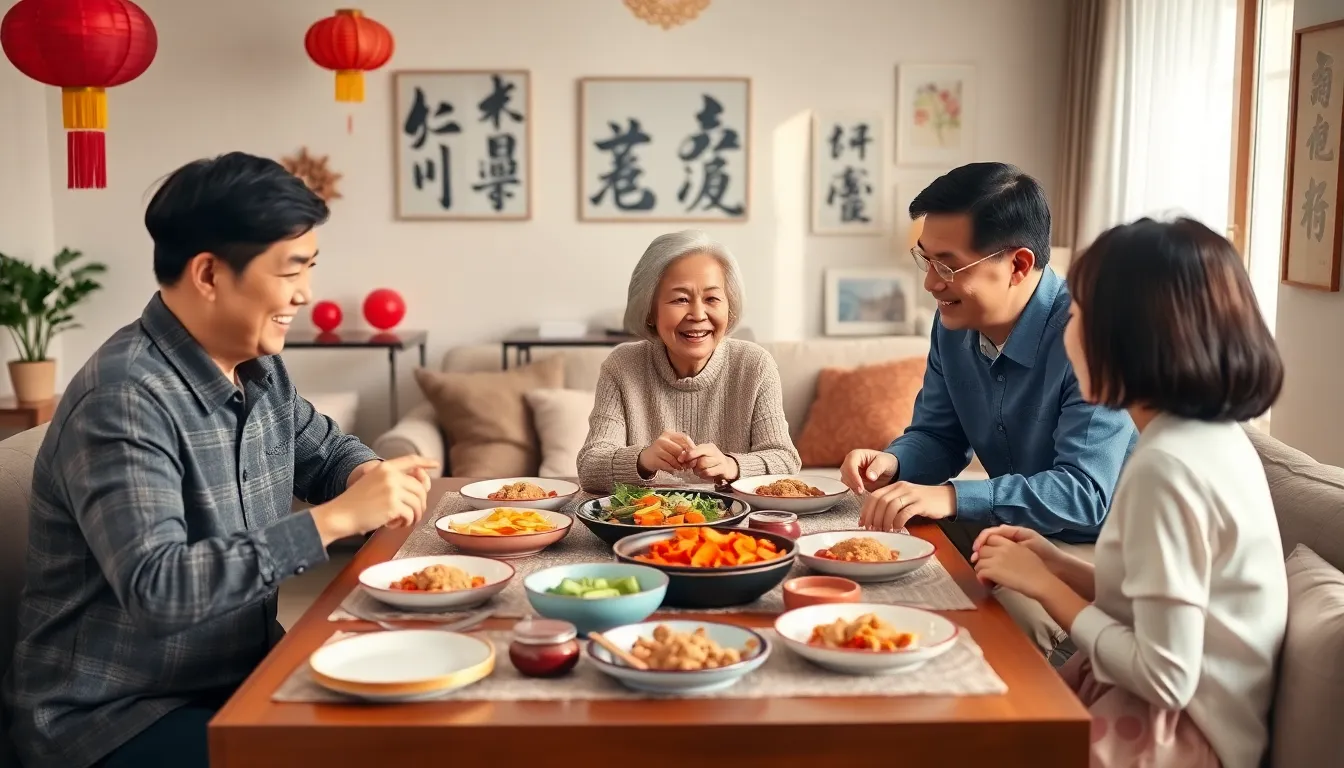
When it comes to gatherings, Chinese families know how to throw a party, in style. The most significant occasion is undoubtedly the Lunar New Year, a spectacular celebration marked by fireworks, family reunions, and, of course, copious amounts of delicious food. Picture tables adorned with dumplings, fish, and sticky rice cakes. Each dish carries symbolic significance, often representing good fortune and prosperity. Also, many families engage in spring cleaning before the New Year, sweeping away old misfortunes to welcome the new. Apart from the Lunar New Year, countless celebrations occur throughout the year, such as the Mid-Autumn Festival. This festival, with its mooncakes and lanterns, showcases the importance of togetherness under the bright moon. Families gather to appreciate the beauty of unity, it’s all about sharing stories, laughter, and a few slices of mooncake (or maybe way too many.). Every celebration reinforces the familial bonds, serving as a reminder of their collective identity and the treasure trove of shared experiences.
Role of Ancestor Worship in Family Traditions
Adjacent to family gatherings is the revered practice of ancestor worship. This tradition might sound spooky to some, but in Chinese culture, revering ancestors forms a crucial part of family identity. Families maintain ancestral altars at home, where respectful offerings of fruits, incense, and tea are made, often during special occasions such as Qingming Jie (Tomb Sweeping Day). This day honors deceased loved ones, allowing families to bond through remembrance. Practices vary by region, showcasing not only local customs but also the deep respect for lineage and heritage. By honoring ancestors, families ensure that the lessons, values, and memories of past generations continue to shape the present. It becomes not only a way of celebrating lives lived but also a reminder of one’s roots, a necessary connection amidst a rapidly changing world.
Modern Changes in Chinese Family Traditions
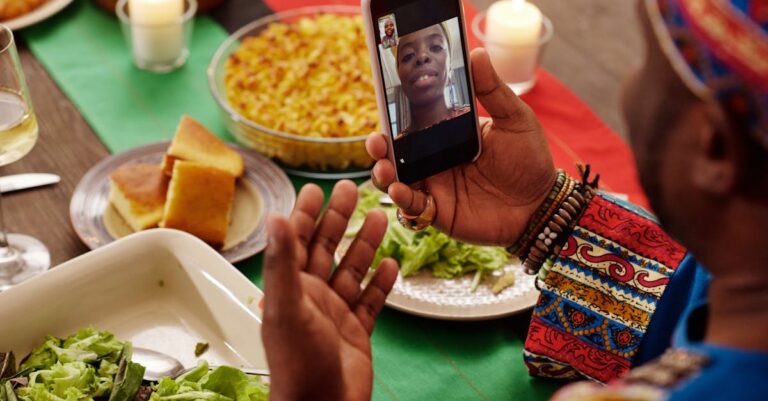
But, as the winds of change blow, modernity has left its mark on Chinese family traditions. The pace of life has accelerated, with many young people moving to urban areas for better job opportunities. This shift often leads to families becoming smaller or more nuclear, raising concerns about maintaining cultural traditions. Technology, while a boon, has created new dynamics. Video calls have replaced family gatherings for some, allowing distant relatives to at least connect virtually. Yet, this digital age brings challenges, diluting the essence of traditional practices. As younger generations navigate their identities, blending heritage with individual aspirations becomes essential. Urbanization means fast food sometimes replaces homemade dumplings for busy families, but the emotional crux remains. The essence of family, even in its modern avatar, carries forward the values of support and love, adapting them to contemporary realities.