
Table of Contents
ToggleChinese family traditions are a vibrant tapestry woven with history, culture, and a dash of humor. From the lively gatherings during the Lunar New Year to the exquisite rituals surrounding weddings, these customs reflect a deep respect for heritage and the importance of family bonds. If you think your family’s holiday dinners are chaotic, wait until you experience a Chinese reunion dinner—where the food is abundant, and the stories are even more plentiful.
Overview of Chinese Family Traditions
Chinese family traditions revolve around strong values and cultural practices that have persisted for centuries. Respect for elders remains integral, guiding interpersonal relationships within families. Rituals associated with significant life events, such as weddings and funerals, reflect this reverence.
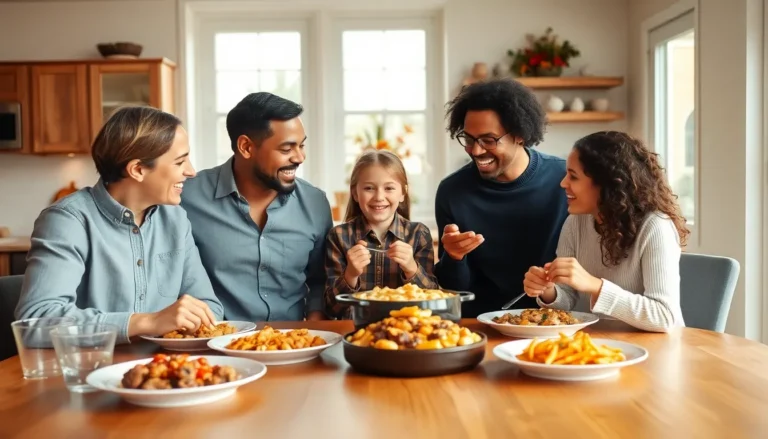
Lunar New Year serves as a focal point for family gatherings, showcasing various customs like giving red envelopes. Families cherish reunion dinners during this festival, filled with dishes that symbolize prosperity and togetherness.
During weddings, intricate ceremonies often meld traditional practices with modern elements. Selecting an auspicious date stands paramount, as it reflects a couple’s desire for a prosperous future. The unity of families is pronounced through the collective participation in pre-wedding rituals.
Moreover, storytelling plays a vital role in family interactions, strengthening bonds between generations. Tales of ancestors and cultural heritage educate younger members about their roots.
Celebrating the Mid-Autumn Festival marks another opportunity for family reunification. Families gather to share mooncakes and admire the full moon, fostering an atmosphere of gratitude and appreciation.
These traditions encapsulate the essence of Chinese family life, emphasizing unity, respect, and the importance of honoring one’s heritage. Understanding these customs reveals the profound connections that bind families together across generations.
Importance of Family in Chinese Culture
Family occupies a central role in Chinese culture, influencing values, relationships, and traditions. Strong familial bonds shape individual identities and community interactions.
The Concept of Filial Piety
Filial piety emphasizes respect and care for one’s parents and ancestors. This concept guides actions and decisions, promoting harmony within families. Responsibilities include providing support and honoring elders, often manifesting through daily practices and special celebrations. Abiding by this virtue fosters unity and continuity, ensuring cultural traditions endure through generations. When children uphold filial piety, they secure familial respect and legitimacy.
Family Hierarchy and Structure
Chinese family hierarchy reflects deep-rooted cultural beliefs regarding authority and respect. Elders hold prominent positions, commanding admiration and obedience from younger members. The structure typically consists of three generations living together or close by, reinforcing support and cohesion. Gender roles also play a significant part; traditionally, men serve as providers, while women manage domestic duties. When families navigate these roles, they maintain stability and respect, which contributes to the overall well-being of the household.
Key Chinese Family Traditions
Chinese family traditions encompass rich cultural practices that connect generations. Core values emphasize respect, unity, and honoring heritage.
Chinese New Year Celebrations
Lunar New Year stands as a significant event for Chinese families. Families gather to celebrate, creating an atmosphere filled with joy and anticipation. Traditions like giving red envelopes symbolize good luck and prosperity. Delicious reunion dinners feature dishes that represent wealth and togetherness. Fireworks and lion dances add excitement and ward off evil spirits. Engaging in these customs fosters strong family ties.
Traditional Weddings and Marriage Customs
Weddings in Chinese culture merge ancient rituals with contemporary influences. Selecting an auspicious date for the ceremony plays a crucial role in the couple’s future. The bride typically wears a red dress, symbolizing good fortune and happiness. Tea ceremonies signify respect and deep appreciation for both families. Guests bestow gifts, often in red envelopes, to convey blessings. These customs reflect the importance of familial connections and traditions.
Ancestor Worship Practices
Ancestor worship highlights reverence for past generations. Families set up altars adorned with photos and offerings for their ancestors. During key events, such as festivals or family gatherings, rituals are performed to honor deceased relatives. Burning incense and joss paper expresses respect and gratitude. This practice nurtures familial bonds, fostering a sense of continuity and identity. Upholding these traditions strengthens connections across generations.
Modern Adaptations of Chinese Family Traditions
Modern Chinese family traditions evolve while maintaining core values. Many families blend traditional customs with contemporary practices, reflecting changing societal norms.
Influence of Globalization
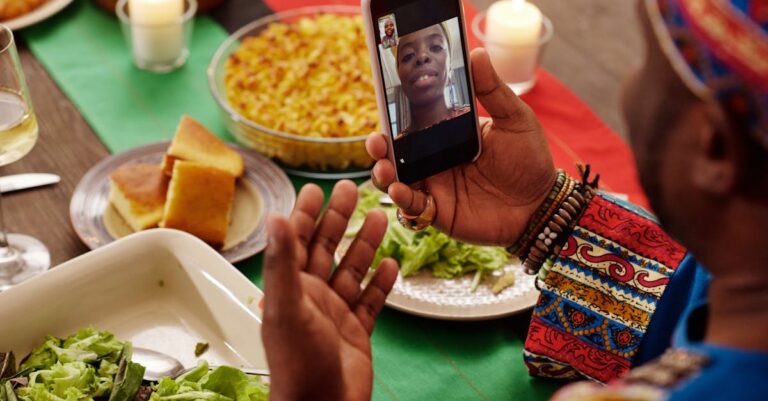
Globalization impacts Chinese family traditions significantly. Exposure to diverse cultures encourages families to adopt new practices. For instance, multicultural weddings integrate elements from different traditions, enriching ceremonies. Additionally, digital communication enhances family connections across distances, allowing instant updates and interactions. Younger generations often embrace Western customs alongside traditional ones, like celebrating Christmas or Halloween. Fusion cuisine at family gatherings combines traditional Chinese dishes with international flavors. Festivals, such as the Lunar New Year, may incorporate global themes, allowing families to celebrate together while respecting their heritage.
Intergenerational Relationships Today
Intergenerational relationships adapt to modern life. Respect for elders remains a cornerstone, yet younger family members influence household dynamics. Families now often engage in open discussions about values and expectations, fostering mutual understanding. Technology plays a crucial role; video calls connect distant family members, ensuring regular contact and support. In urban settings, shared living arrangements help younger and older generations stay close, creating opportunities for learning and bonding. Moreover, younger members blend technology with traditions by using social media to share family stories and celebrate customs, thus preserving heritage in a modern context.
Chinese family traditions are a vibrant tapestry that weaves together history culture and values. These customs not only celebrate significant life events but also reinforce the importance of family bonds and respect for elders. As traditions adapt to modern influences the essence of unity and reverence remains intact.
The rich practices surrounding festivals weddings and daily interactions highlight the deep connections that exist within families. Through storytelling and shared rituals families pass down their heritage while embracing contemporary changes. Ultimately these traditions serve as a guiding force shaping identities and nurturing relationships across generations.