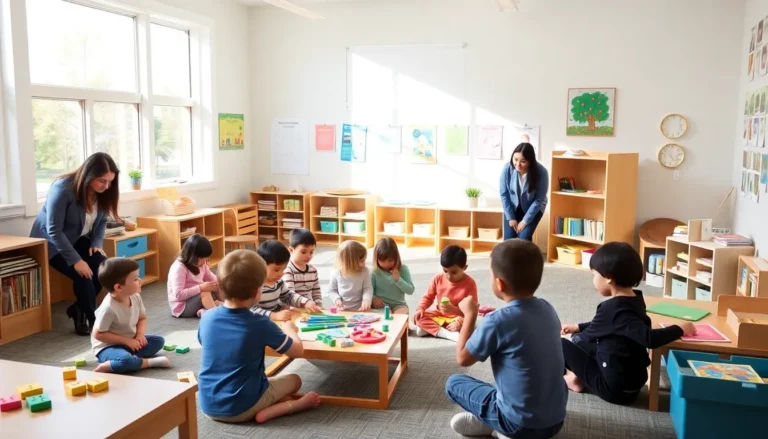

Picture a classroom where children roam free, explore, and learn at their own pace, sounds delightful, doesn’t it? Welcome to Alcuin Montessori, a revolutionary approach to education that blends philosophy and science, creating a haven for young learners. Here, the joy of discovery reigns supreme, and the traditional ‘sit down and listen’ routine is happily tossed aside. Let’s immerse and uncover what makes this educational model not just a fad but a fantastic way to ignite a lifelong love for learning.
The Philosophy of Montessori Education
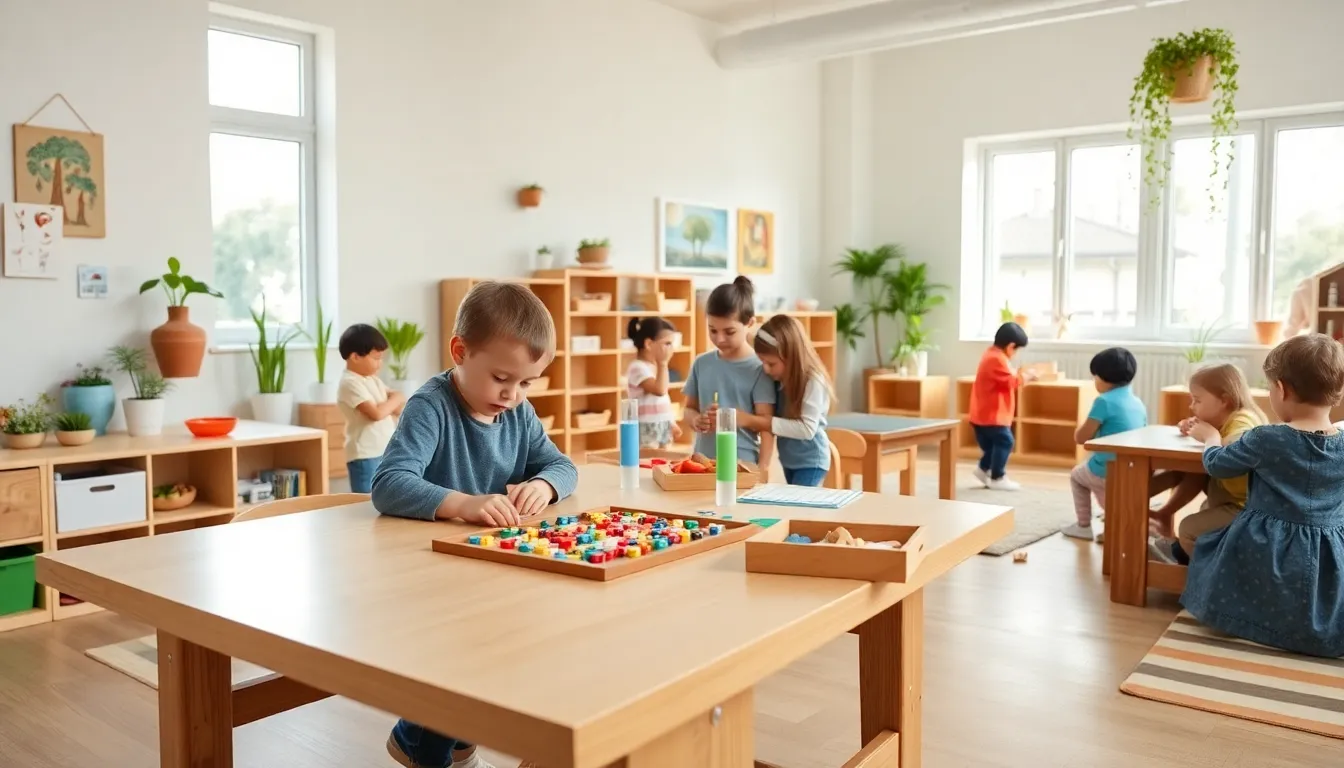
At the core of Montessori education lies a profound respect for the child as a natural learner. Unlike traditional methods that often prefer the teacher’s guidance, Montessori advocates for self-directed learning where children dictate their own educational journeys. This philosophy taps into the innate curiosity of children, allowing them to pursue their interests. A child’s learning is best when it is driven by their interests rather than enforced schedules, following the belief that education should cater to the individual needs of each student. In this environment, every child is also a teacher, helping peers, and learning collaboratively. Is there a more beautiful way to foster community? This educational approach is underpinned by principles like respect for the child, the importance of individual and social development, and a well-prepared learning environment that invites exploration.
Historical Background of Alcuin Montessori
The roots of Alcuin Montessori stretch back to Dr. Maria Montessori in the early 1900s. Dr. Montessori, the first woman in Italy to earn a medical degree, dedicated her life to studying child development. Her observations led her to create a unique educational system grounded in respect and independence. Alcuin Montessori schools, named after the renowned educator, embody these principles while integrating elements tailored to modern education. Over the decades, this method has evolved, yet the foundational philosophies remain the same, emphasizing respect for children and fostering their potential. As Montessori education spread globally, outlets like Alcuin Schools adopted its essence, infusing local values and community needs to further personalize the learning experience.
Curriculum and Pedagogy
The Alcuin Montessori curriculum is as diverse as it is engaging, designed to cater to various developmental stages and interests. It encompasses subjects from language, mathematics, and science to art, geography, and practical life skills. Instead of traditional textbooks, students use specially designed materials that encourage hands-on learning experiences. For instance, when exploring math, students use physical objects to understand abstract concepts, which makes learning less daunting and more relatable.
The Role of the Teacher in Montessori Classrooms
Teachers in a Montessori setting, often referred to as facilitators, play a pivotal role by preparing the environment and guiding students subtly, rather than leading them. Their job isn’t to fill children’s heads with facts but to provide the right resources and support their exploration through careful observation. By understanding each child’s unique path, these educators help harness their inherent motivations and curiosity, a true partnership in learning.
Montessori Materials and Their Importance
Specialized Montessori materials are designed to engage a child’s senses and foster independence, skills crucial in their educational journey. These materials are not just toys: they are essential tools that invite children to experiment, make discoveries, and learn important concepts through tactile experiences. From sensory-based activities to challenges in mathematics, each material serves a purpose that aligns with the developmental goals outlined in Montessori philosophy.
Benefits of an Alcuin Montessori Education
Choosing an Alcuin Montessori education can be life-changing for many children. One of the most significant benefits is the promotion of independence. In these classrooms, children learn to make choices and manage their time effectively, skills that will serve them well throughout their lives. The collaborative nature of learning in Montessori also fosters social skills, critical thinking, and a sense of community. This new approach builds a foundation not just for academic success but for holistic development. Students emerge as self-motivated learners with a love for knowledge, ready to engage with the world thoughtfully.
Community and Parental Involvement
In Alcuin Montessori settings, community and parental involvement is not merely encouraged: it is essential. Schools seek strong partnerships with families, recognizing that a child’s learning extends beyond the classroom. Regular workshops, family events, and open communication create a supportive ecosystem for students. Parents often find themselves engaged in the learning process, which fosters a deeper understanding of their child’s education and development. Such involvement cultivates a richer community, ensuring that both educators and families share a common vision for each child’s growth and success. Together, they build an enriching environment where children feel valued, secure, and motivated to learn.