
When it comes to family, Filipinos tend to take it to a whole other level. You might think your family gatherings are lively, but have you ever tried fitting 50 relatives into one house for a birthday celebration? From playful teasing at a dinner table to heartfelt rituals that span generations, Filipino family traditions blend joy with deep-rooted values. In this text, we’ll jump into the rich tapestry of Filipino heritage, exploring how these traditions shape relationships and create life-long bonds among families. Buckle up, this cultural ride is sure to enlighten and entertain.
The Importance of Family in Filipino Culture
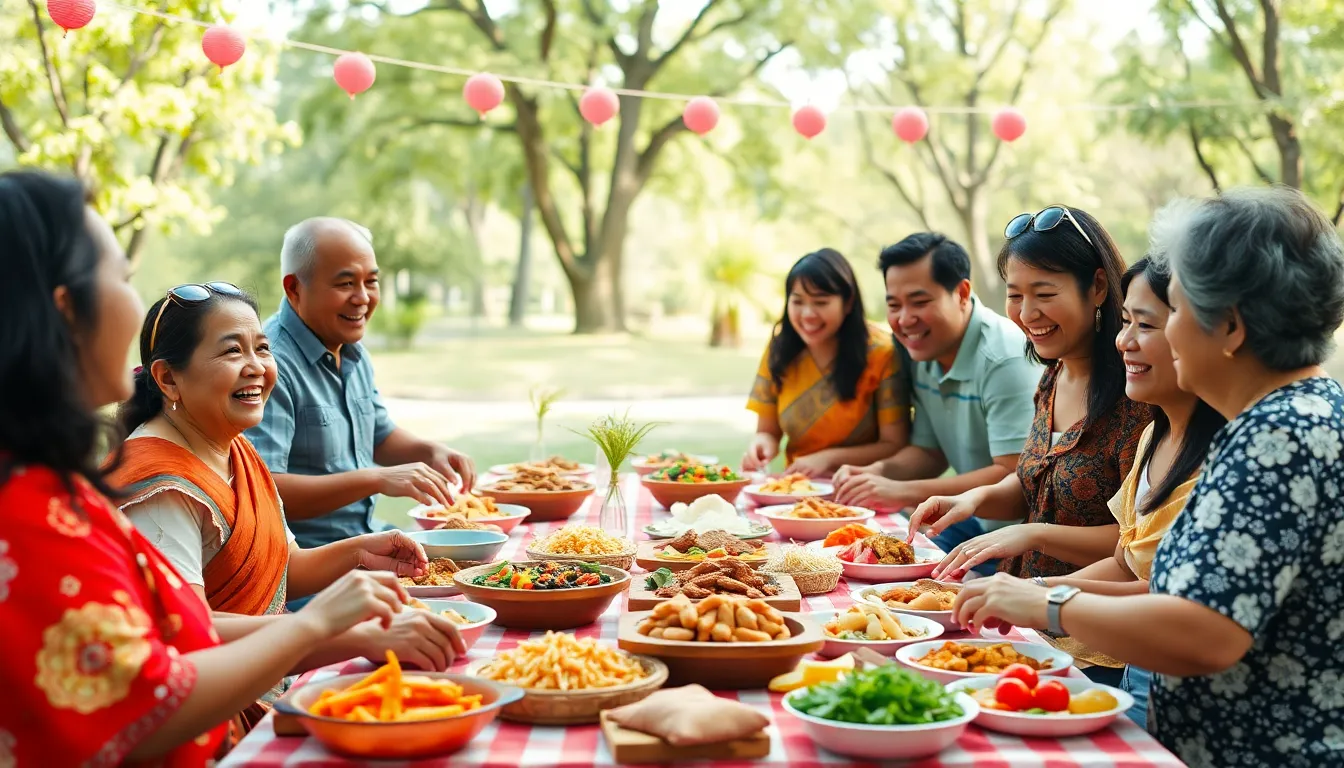
In Filipino culture, family matters. It’s not just about living under the same roof: it involves unwavering support, loyalty, and shared joys and sorrows. The family unit often extends beyond just immediate relatives, encompassing a wider network that includes grandparents, aunts, uncles, cousins, and even close family friends. This interconnectedness also means that decisions often weave through the fabric of family opinions, making each member feel valued.
Also, Filipinos cherish respect and closeness among family members. Younger generations frequently exhibit a strong sense of respect for elders, a tradition rooted in the Filipino phrase “Utang na Loob,” signifying a debt of gratitude. This principle creates bonds that extend over a lifetime, underpinning the concept that family is not only a support system but a crucial part of one’s identity.
As a result, family reunions take on an almost sacred significance, bringing together sometimes estranged relatives for a few joyful days. These gatherings, whether for birthdays, weddings, or holidays, serve as reminders that family ties are worth nurturing, no matter the distance.
Common Filipino Family Values
Family values in the Philippines are an integral part of everyday life, influencing social interactions and personal decisions. One prominent value is pakikisama, roughly translated as harmony or smooth interpersonal relationships. It encourages individuals to maintain peace and camaraderie, often at the expense of personal opinion to keep the familial bond strong.
Also, respect for elders is paramount. Younger family members often use specific terms like ‘Tito’ (uncle) or ‘Tita’ (aunt) as a sign of honor and deference. This respect plays a critical role in how families interact, fostering an environment where wisdom is cherished and elders are revered.
Also, hard work and perseverance form another cornerstone of Filipino values. Family members strive to succeed not just for themselves but to uplift the entire clan. This ethos is encapsulated in the saying, “For the family, everything is possible,” motivating individuals to push their limits for their loved ones.
Traditional Celebrations and Festivals
Filipino families find numerous reasons to celebrate, and traditions mark each occasion. In towns and cities alike, festivals, or “fiestas,” are a way to honor patron saints and showcase the local culture. During these celebrations, families often gather to prepare elaborate feasts, share laughter, and enjoy parades.
Christmas is another major celebration where traditions shine brightly. The festive season is not merely a day but a season, starting as early as September. Families come together to adorn their homes with parol, star-shaped lanterns that symbolize the Star of Bethlehem. The Noche Buena, a midnight meal on Christmas Eve, is a highlight, where family gathers around the table to partake in traditional dishes like lechon (roast pig) and bibingka (rice cake).
Plus to these events, birthdays also hold significant importance. Rather than just marking a year passed, birthday celebrations often reflect the family’s values of love and care, usually featuring a grand gathering filled with music, games, and of course, lots of food.
Culinary Traditions in Filipino Families
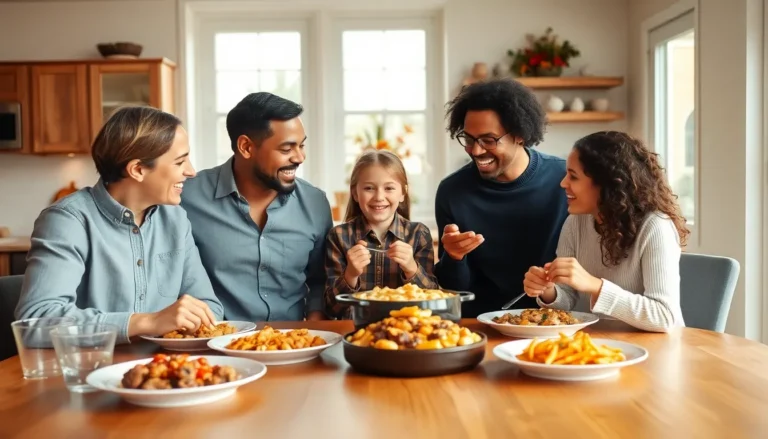
Food holds a sacred place in Filipino family traditions, often serving as the centerpiece for gatherings. Every family has special recipes that are passed down through generations, creating a unique culinary legacy.
Typical dishes like adobo, sinigang, and pancit create an array of flavors that tell stories of heritage and love. Families often spend the weekend preparing food together, turning cooking into a cherished family bonding activity. For many, the recipes handed down from grandparents carry emotional significance, serving as a delicious means of remembering family history.
Plus to regular meals, the practice of merienda, afternoon snacks, is also common, allowing families to connect over mini-feasts featuring kakanin (rice delicacies) or other treats. Whether it’s a grand celebration or a simple get-together, food plays an integral role in fostering connections among family members.
Religious Practices and Their Influence
Religion significantly impacts Filipino family traditions, with many families identifying as Catholic. This deep-rooted faith often permeates family life, from baptisms and confirmations to the annual tradition of attending mass together.
The observance of Lent, specifically Holy Week, is another prominent tradition. Families take this time to engage in reflection, unite in prayer, and often participate in reenactments like the Pabasa, reading sacred texts. These rituals not only bolster faith but also strengthen the ties that bind families, as they engage collectively in devotion.
While prominently Catholic, other religions also shape specific family customs, such as the observance of Ramadan among Muslim families in the Philippines. During this month, families gather for Iftar, sharing meals to break fast, further showcasing the unifying power of food and faith.
Modern Influences on Filipino Family Traditions
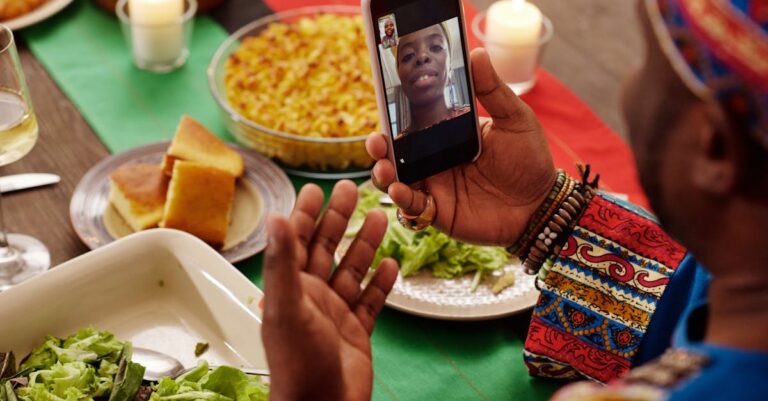
While tradition remains strong, modern influences are gradually reshaping Filipino family dynamics. The rise of technology, for instance, has altered how families communicate and connect. Social media platforms allow family members separated by thousands of miles to stay connected through photos, videos, and messages, ensuring that proximity is no longer a barrier.
Also, global migration has diversified family structures. Professionals seeking opportunities abroad often adapt their traditional values to accommodate different cultures, resulting in blended traditions. Families may incorporate elements from other countries into their celebrations, providing a unique multicultural experience while still holding on to their Filipino roots.
Yet, even though modern pressures, the core values of love, respect, and unity often remain intact. Filipino families continue to adapt, creating a beautiful blend of the old and new, showcasing resilience and innovation.