
Table of Contents
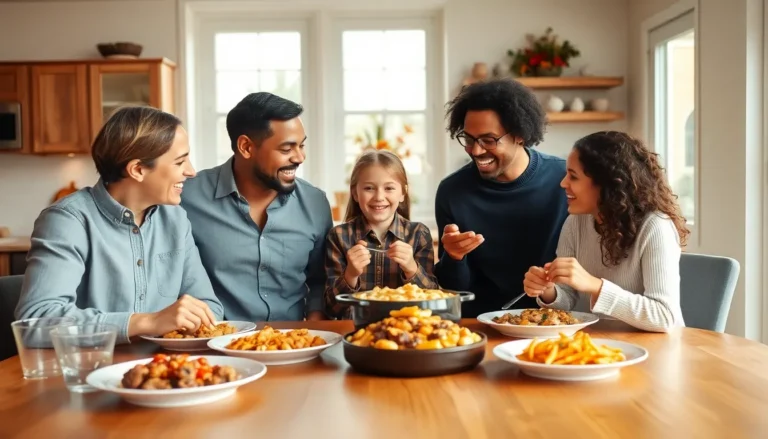
ToggleFamily traditions are like the secret sauce that makes life a bit more flavorful. They’re the quirky rituals and cherished habits that bind generations together, creating a tapestry of memories that can make even the most mundane moments feel special. Whether it’s a weekly game night that turns into a fierce competition or a holiday feast where Aunt Mildred’s infamous casserole makes an appearance, these traditions bring laughter and connection to the family table.
But let’s be honest—some traditions can be downright hilarious. Who doesn’t have that one relative who insists on singing off-key during karaoke night or a family recipe that’s been passed down with a side of “I hope you like it”? Dive into the world of family traditions, where love, laughter, and a sprinkle of chaos create unforgettable experiences that keep everyone coming back for more.
Understanding Family Traditions
Family traditions consist of rituals and habits unique to each family. These practices foster deeper connections and create cherished memories.
Definition of Family Traditions
Family traditions represent the shared customs that families engage in regularly. They can encompass various activities, including festive celebrations, Sunday dinners, or seasonal outings. Each family creates its own unique rituals that reflect values and cultural heritage. Traditions often evolve over time, adapting to new circumstances while maintaining their core essence. Engaging in these practices strengthens familial bonds by providing opportunities for shared experiences and connection.
Importance of Family Traditions
Family traditions play a crucial role in establishing stability and belonging. These rituals create a sense of continuity and identity within families. Regularly participating in traditions promotes communication, allowing family members to share stories and experiences. Furthermore, traditions nurture emotional resilience, as families come together to support one another during significant life events. They also infuse everyday life with joy, enhancing the overall family dynamic. Ultimately, these customs foster love, unity, and laughter, contributing to a fulfilling family life.
Common Family Traditions
Family traditions frequently center around special occasions and collective experiences that strengthen relationships. Celebrating these traditions promotes unity and creates lasting memories.
Celebrating Holidays
Holiday celebrations often vary among families, with unique customs adding flair to each occasion. Families might gather for Thanksgiving, sharing a meal of turkey, stuffing, and cranberry sauce. In December, decorating a Christmas tree serves as a cherished activity for many. Some families choose to observe cultural festivities like Hanukkah or Diwali, enriching their traditions with diverse practices. Engaging in these activities fosters a sense of belonging and enhances family bonds, making holidays meaningful and joyous.
Special Family Gatherings
Special family gatherings often encompass reunions, birthdays, and anniversaries, creating moments that family members cherish. Hosting summer barbecues allows families to gather in a relaxed atmosphere, facilitating connection. Celebrating milestones, such as graduations or retirements, often brings everyone together for heartfelt acknowledgments and shared joy. Game nights serve as another example, where families can enjoy time together over board games or card games. These gatherings nurture relationships and contribute to a family’s shared narrative, enhancing emotional ties among members.
Unique Family Traditions
Family traditions often reflect cultural influences and values.
Cultural Traditions
Cultural traditions play a vital role in shaping family identities. Many families commemorate significant festivals such as Diwali, Christmas, or Hanukkah, which involve unique rituals and foods. Families might observe specific practices, including wearing traditional attire or participating in cultural dances. Celebrating these occasions strengthens connections to heritage while fostering a sense of belonging. Sharing stories about ancestors during these festivities keeps history alive. Engaging in cultural crafts or cooking traditional recipes helps pass down skills to younger generations. Families frequently find joy in these shared experiences that solidify their cultural roots.
Modern Family Traditions
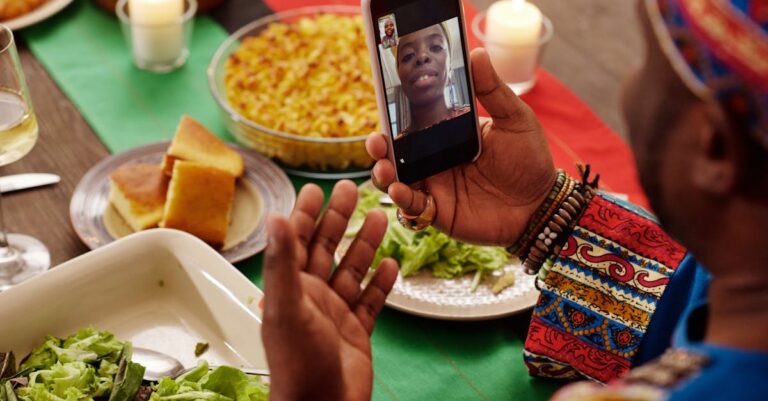
Modern family traditions often adapt to contemporary lifestyles. Weekly movie nights and monthly game tournaments create bonding opportunities that fit busy schedules. Families might establish digital rituals, such as virtual gatherings or social media challenges. During holidays, some families choose to volunteer together, offering community support while spending quality time. Customizing traditions, like themed birthday celebrations or annual trips to local attractions, adds a personal touch. These innovative practices ensure that connections remain strong amidst life’s changes. Embracing both vintage and modern customs allows families to enjoy traditions that evolve yet retain their significance.
How to Create Your Own Family Traditions
Creating family traditions involves everyone’s input and participation, fostering a sense of belonging. Engaging all family members makes traditions meaningful and memorable. Each person can contribute ideas, ensuring a diverse range of activities that everyone enjoys.
Involving Everyone in the Family
Involving every family member enhances the creation of traditions. Choices should reflect shared interests and values. Asking for input facilitates discussions and promotes excitement. Schedule brainstorming sessions to generate ideas, allowing each member to share preferences. This participation nurtures a sense of ownership and commitment to the traditions. Creating traditions that resonate with everyone strengthens family bonds.
Ideas for New Traditions
Developing new family traditions requires creativity and flexibility. Consider establishing monthly outings, like visiting a museum or nature park, which encourages exploration. Movie nights offer another opportunity for fun, allowing families to bond over shared laughter and discussions. Cooking together can be an engaging activity, with each week featuring recipes from different cultures. Celebrating unique “family appreciation days” acknowledges contributions from each member, reinforcing unity. Regular volunteer work builds collective purpose while enriching community ties.
Family traditions play a vital role in nurturing connections and creating cherished memories. They provide families with a sense of identity and belonging while allowing them to celebrate their unique customs. Whether through festive gatherings or simple weekly rituals, these traditions enrich family life and foster emotional bonds.
As families navigate life’s changes, adapting and creating new traditions ensures that connections remain strong. Embracing both old and new practices can lead to a fulfilling family experience filled with love, laughter, and shared joy. Engaging everyone in the process makes these traditions even more meaningful, solidifying the family unit and its values.