
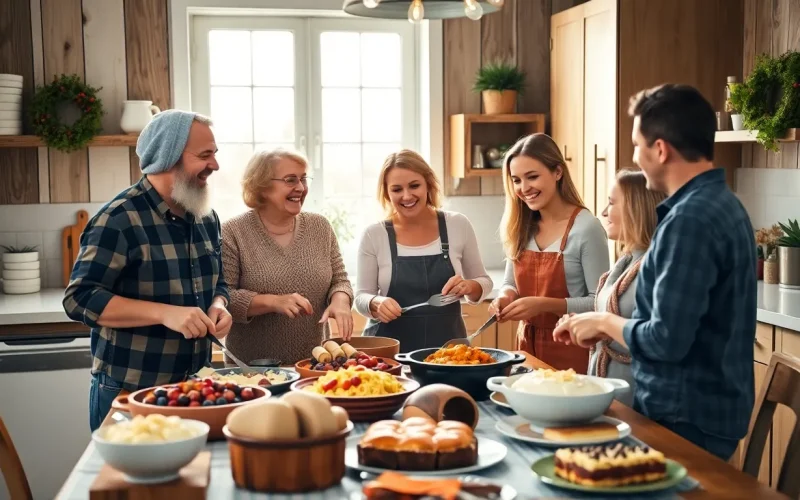
Imagine a world where family isn’t just a unit but a lively tradition that echoes through generations. German family traditions offer a delightful glimpse into the heart of a culture that celebrates togetherness, history, and, of course, food. Whether it’s the aroma of homemade Spätzle wafting through the air or the laughter shared during festive gatherings, these customs resonate deeply. In a society where familial bonds stand resilient against life’s chaos, understanding these traditions provides both joy and insight into what it means to be part of a familial network in Germany. Let’s jump into the rich tapestry of German family traditions, and discover why they matter so much.
Importance of Family in German Culture
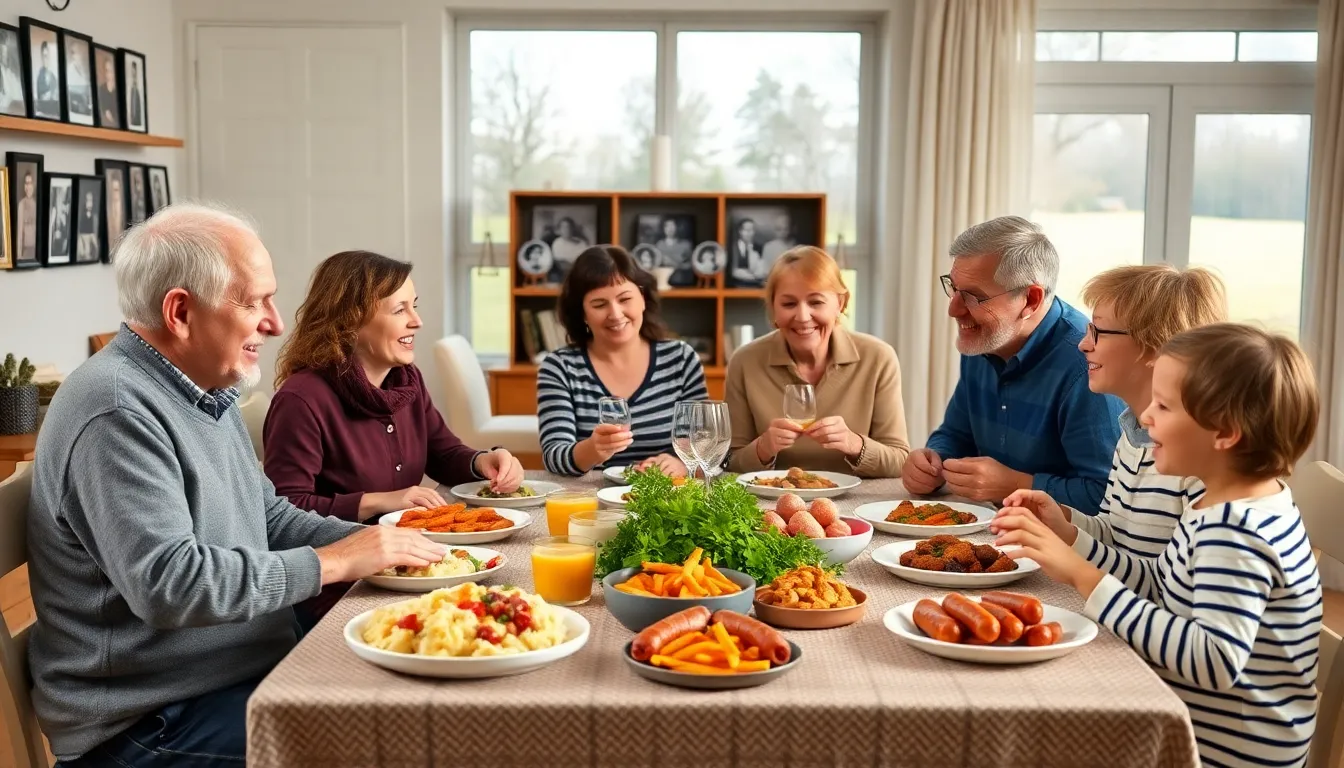
Family serves as the backbone of German culture, shaping values and traditions that last a lifetime. In Germany, the concept of family extends beyond mere blood relations: it includes close friends and community members who become as significant as relatives. This broad definition emphasizes support, love, and loyalty.
German families often prioritize time spent together, whether participating in daily activities or celebrating special occasions. Respect for elders is paramount, ensuring that wisdom is passed down and influence is retained. Children grow up with an appreciation for their ancestors and learn to honor traditions that maintain family connections across generations. As they gather around the table for Sunday meals or during holidays, they solidify their understanding of what it means to belong to a family.
The collective identity shaped by these values fosters resilience. Discovering who they are often involves engaging with their family’s history, exploring tales of hardship, triumph, and adventure. In this way, family traditions become a bridge connecting past with present, establishing roots that keep their cultural identity alive.
Traditional Family Gatherings
Family gatherings in Germany are vibrant, often bursting with laughter, stories, and, most importantly, delicious food. These gatherings usually revolve around significant life events or seasonal celebrations where everyone comes together to reconnect. Birthdays and anniversaries are particularly noteworthy occasions, as families make the effort to celebrate in style.
During these gatherings, practices vary by region, and one often sees a lovely intermingling of local customs. In some areas, it’s customary for family members to shout out humorous poems or toasts, while in others, games project youthful energy across generations.
Special occasions often include the cooking of favorite family recipes, with detailed planning that heightens excitement leading up to the big day. Children learn the significance of family bonds while actively participating in these events, helping to create heirlooms of memories that last a lifetime. Life becomes a fleshy tapestry of tales told over roasted meats, sweet pastries, and time-honored drinks.
Celebration of Holidays and Festivals
The celebration of holidays and festivals in Germany illustrates a profound sense of community and familial ties. Each holiday finds its unique way to bring families together, making it a cherished time for building connections and reaffirming traditions.
Culinary Traditions and Recipes
No festive season is complete without German culinary traditions that enchant family gatherings. Dishes like Sauerbraten for Christmas or Easter Lamb often take center stage, filling homes with warming aromas. Not only do these meals reflect regional diversity, but they also tell stories that date back centuries.
Families often prepare these beloved recipes using techniques passed down through generations, ensuring that the flavors of the past endure. Each bite serves as a reminder of shared history, and every dish becomes a vessel for cherished memories.
Festive Foods Around the Year
Across various holidays, festive foods take on a pivotal role. Think about Oktoberfest with its hearty sausages and pretzels, or Halloween’s delightful pumpkin pie. Each occasion boasts signature flavors, allowing families to celebrate the unique attributes that a particular season or holiday brings. This food not only fills the stomach but also nourishes a sense of familial belonging, making every gathering feel more special.
Passing Down Recipes Through Generations
In many German families, recipes serve as more than just instructions for cooking: they represent a legacy. Grandparents often take pride in sharing their favorite dishes with grandchildren, ensuring that culinary skills and family stories are intertwined. Learning these family recipes not only plays a crucial role in culinary education but also deepens emotional ties between generations.
This practice fosters an appreciation for authenticity and craftsmanship. Ingredients are often sourced from local markets, reflecting a commitment to traditional cooking methods that avoid overly processed foods. Many families gather to create holiday treats together, with children learning to mix dough or roll pastries under the watchful eye of their grandmothers. This blending of old and new recipes leads to the personal adaptations of cherished dishes, allowing the family to evolve yet remain rooted in their traditions.
Rituals and Customs in Family Life
Rituals are at the heart of German family life, giving rhythm to daily existence. From simple routines like shared breakfasts to elaborate holiday customs, these rituals hold significance. Each action, lighting candles during Advent or decorating the home for various festivals, produces a sense of belonging.
In many families, Sunday serves as a day dedicated to rest and connection. This could mean a leisurely brunch where everyone gathers, sharing stories and laughter over delicious homemade dishes. Rituals also extend to annual family outings or vacations, where lasting memories are made.
These established customs ensure that every generation understands the importance of family. People develop a shared outlook on life shaped by these experiences, creating a unified approach to challenges and celebrations alike.


