
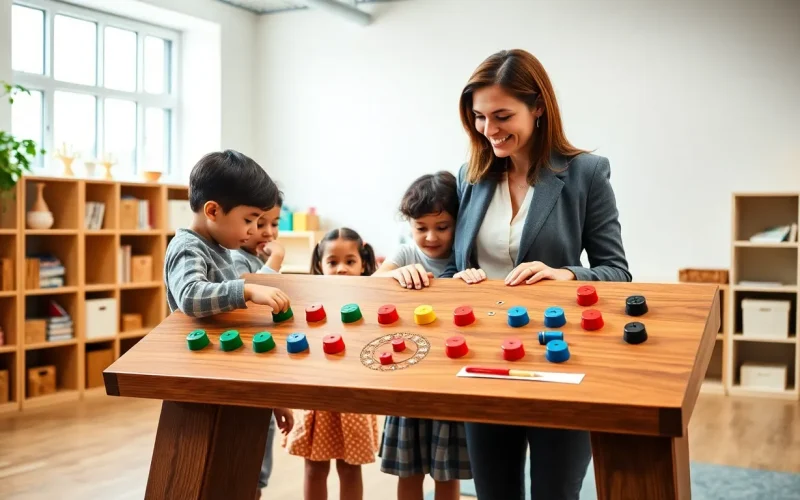
Have you ever seen a child completely engaged in something and thought, “Wow, they’re really onto something?” Meet the Montessori board, the unsung hero of early childhood education. While most toys are fun, Montessori boards are designed to transform learning into an enjoyable experience. Forget boring lectures: this hands-on approach invites exploration, creativity, and a dash of fun. Stick with us as we investigate into everything you need to know about Montessori boards. Spoiler alert: they aren’t just for kids anymore.
What Is a Montessori Board?
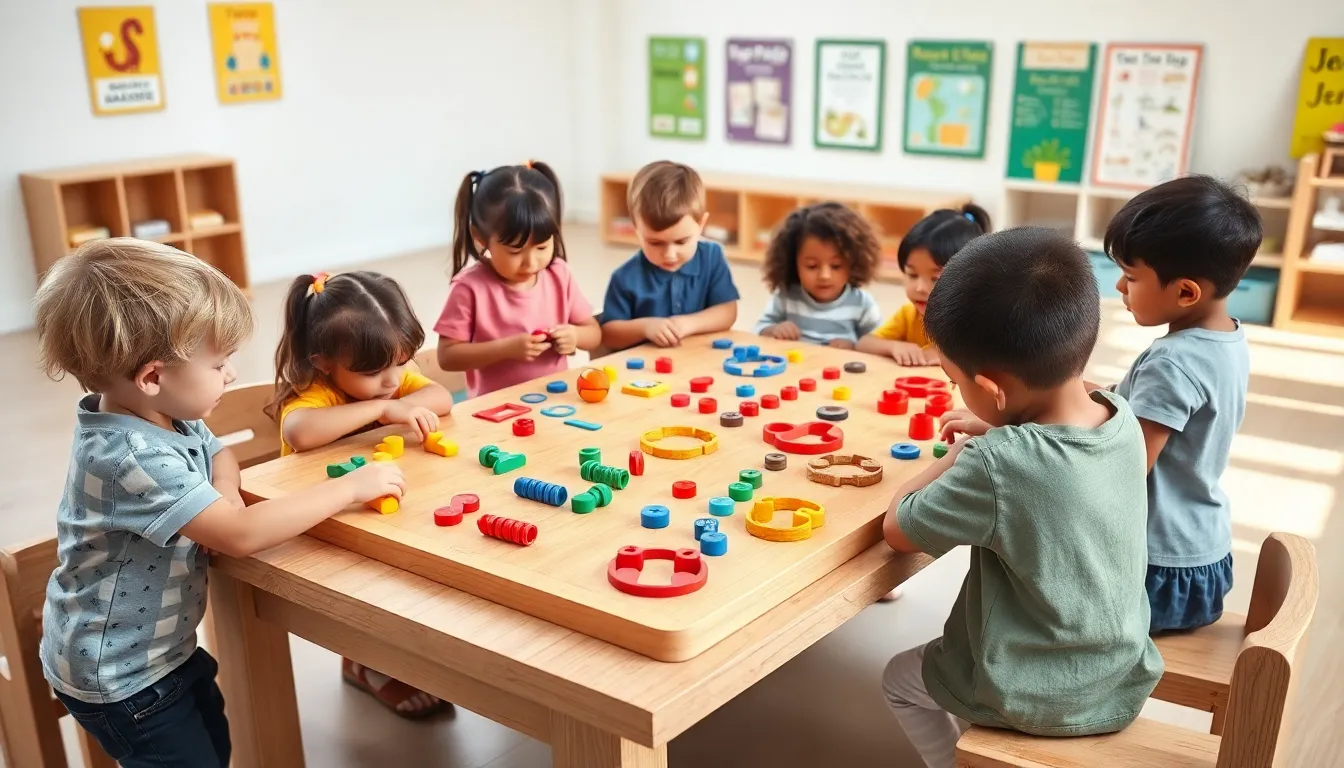
A Montessori board is more than just a piece of polished wood: it’s a carefully crafted tool that encourages kids to explore their world while developing critical skills. Think of it as a mix between a puzzle, a sensory experience, and a playground all in one. The boards typically feature various activities like latches, buttons, and textures, each designed to refine fine motor skills and cognitive abilities. So, whether a child is snapping a button or flipping a switch, they’re actively learning through play.
In Montessori education, hands-on learning is paramount. Montessori boards embody this by engaging children’s natural curiosity. They may range from basic sensory boards to more complex setups with intricate challenges, providing varying levels of engagement for diverse learner needs.
The Educational Philosophy Behind Montessori Boards
The Montessori philosophy, founded by Dr. Maria Montessori in the early 1900s, champions independence, respect, and the natural development of children. At the core of this educational approach is the belief that kids learn best when they can explore at their own pace. Montessori boards align perfectly with this principle: they offer opportunities for independent learning in a safe and stimulating environment.
In a typical Montessori classroom, everything is designed to allow children the freedom to choose their activities. This philosophy translates seamlessly onto these boards. Activities on the boards encourage children to take charge of their learning. Through trial and error, they gain confidence and mastery, making them not only learners but also problem-solvers.
Types of Montessori Boards
There is an impressive variety of Montessori boards available, each tailored to specific developmental goals. Here are a few popular types:
Sensory Boards
Sensory boards are colorful, interactive surfaces featuring various textures, shapes, and mechanisms. They engage children’s sense of touch and encourage exploration.
Activity Boards
Activity boards often incorporate multiple learning experiences on one board, including puzzles, numbers, and counting activities. They are great for developing cognitive and fine motor skills at the same time.
Latching Boards
Perfect for older toddlers, latching boards feature various latches and locks that challenge children to understand cause and effect while improving their dexterity.
Custom Montessori Boards
Parents can personalize boards with their child’s interests. Customization takes learning to a fun level, encouraging engagement by incorporating favorite colors, themes, or characters.
Benefits of Using Montessori Boards for Child Development
Utilizing Montessori boards comes with a plethora of benefits that significantly enhance child development. Here are a few standout advantages:
- Promotes Independent Learning: Children learn to make choices and explore their interests. This autonomy fosters confidence as they navigate through challenges.
- Enhances Fine Motor Skills: The hands-on nature of the activities boosts hand-eye coordination and finger strength, crucial for later skills like writing.
- Encourages Problem-Solving: Each interaction on the board requires critical thinking, encouraging children to find creative solutions.
- Supports Sensory Development: With varied textures and interactive components, kids engage multiple senses, enhancing their overall perception of the world.
- Fosters Concentration and Focus: The engaging nature of boards can captivate attention, allowing children to immerse themselves in tasks longer, a skill necessary for academic success.
How to Choose the Right Montessori Board for Your Child
Choosing the right Montessori board can be a delightful journey, but it requires some thoughtful consideration. Here’s how to narrow down the options:
- Age Appropriateness: Ensure that the board is suitable for your child’s developmental stage. Younger children may benefit from simpler sensory boards, while older children might enjoy more complex challenges.
- Interests & Personality: Consider what captivates your child’s attention. A board featuring their favorite colors or themes can encourage deeper engagement.
- Material & Safety: Quality matters. Opt for boards made from non-toxic materials. Safety should be a top priority since children will be manipulating these boards frequently.
- Durability: Look for boards that can withstand the enthusiastic nature of play. A durable board ensures long-lasting use and value for money.
DIY Montessori Board Ideas
Feeling crafty? Creating a DIY Montessori board can be incredibly fulfilling and budget-friendly. Here are a few ideas to spark creativity:
- Sensory Board: Gather various textures such as fabric swatches, sponges, and aluminum foil. Attach these to a sturdy board for a sensory experience.
- Latching Board: Use wood and a variety of latches, bolts, and other fasteners. Mount them on a board for children to explore.
- Puzzle Board: Paint shapes or numbers on a board, then create matching pieces that fit into these spots for a fun puzzle challenge.
These ideas not only save money but also allow customization based on what your child enjoys, making learning even more personal.


