
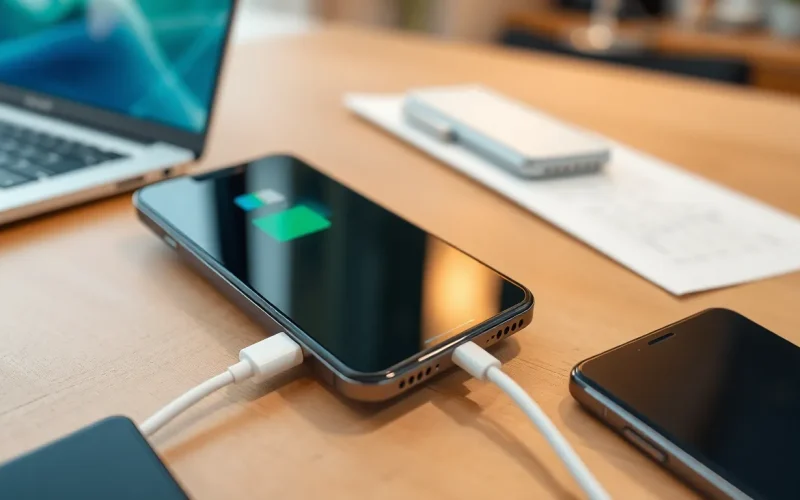
In a world where every second counts, fast chargers seem like a superhero swooping in to save the day. Who wouldn’t want to juice up their iPhone in a flash? But hold on a second—could these speedy chargers be the hidden villains in your tech saga?
Overview of Fast Chargers
Fast chargers significantly reduce charging time for devices like iPhones. These chargers typically deliver power at higher wattages, up to 20W or more, compared to standard chargers that often provide only 5W. Higher wattage results in quicker replenishment of battery life, making it convenient for users with busy schedules.
Special technology enables fast charging. This technology includes protocols like USB Power Delivery (USB PD) and Qualcomm Quick Charge, allowing devices to negotiate optimal charging speeds. Most recent iPhone models support fast charging, providing users with compelling advantages in terms of downtime.
Though benefits exist, potential drawbacks also emerge. Fast charging generates more heat than standard charging. Excessive heat can accelerate battery wear, potentially leading to reduced lifespan over time. Device and charger quality significantly influences this effect. Using third-party chargers that lack proper certifications may exacerbate this issue.
Understanding user habits aids in making informed choices. Regularly fast charging may not align with users’ preferences for battery health. Users who charge their devices overnight might prefer standard charging to maintain battery longevity.
Alternatives are available for users concerned about battery life. Standard chargers and charging pads offer slower, gentler options. Users focused on preserving battery life may find these alternatives desirable, as they minimize heat production during charging.
Evaluating the trade-offs of fast charging indicates a balance between convenience and battery health. Users must consider their daily routines and long-term device care when opting for fast chargers.
Understanding iPhone Charging Technology
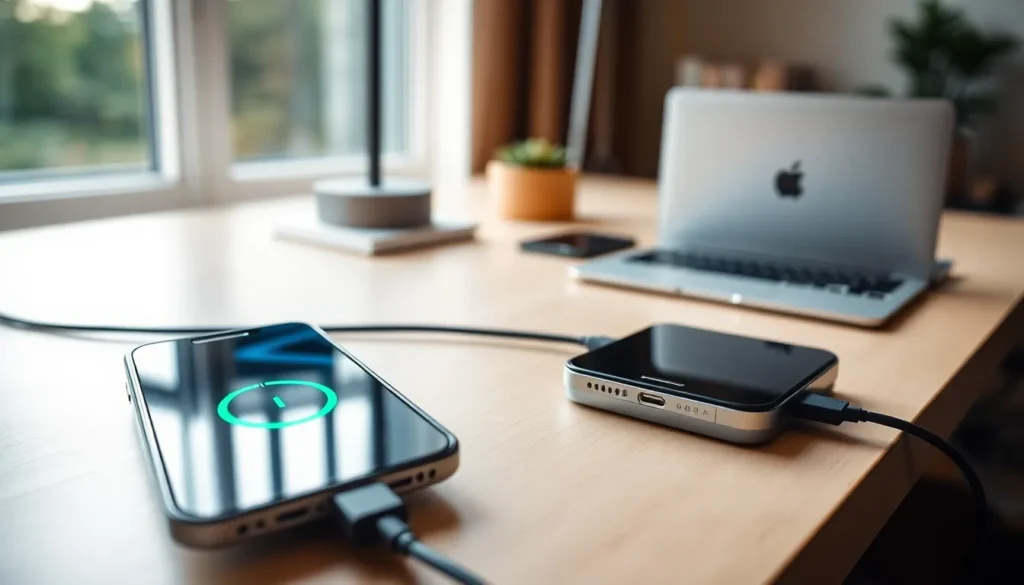
Fast charging technology enhances the way iPhones receive power. This process involves delivering higher wattages, resulting in significantly reduced charging times. Devices utilize protocols like USB Power Delivery or Qualcomm Quick Charge to negotiate optimal charging speeds with the charger.
How Fast Charging Works
Fast charging operates by increasing the voltage delivered to a device. This process requires compatible chargers and cables designed to handle elevated power levels. When an iPhone connects to a fast charger, it communicates its requirements, enabling higher wattage flow. Users often experience charging times that can drop to approximately 30 minutes for a 50% charge, making fast charging a desirable option for those with busy lifestyles.
Differences Between Standard and Fast Charging
Standard charging typically provides 5W, while fast charging can exceed 20W. Users notice that standard charging takes longer, often requiring several hours to fully charge an iPhone. In contrast, fast chargers produce more heat due to increased wattage, which may impact battery health over time. Evaluating both methods includes considering factors like device compatibility and personal charging habits. Users interested in preserving battery lifespan might opt for slower charging solutions, while those prioritizing convenience might prefer fast chargers.
Potential Risks of Fast Charging
Fast charging provides benefits but carries potential risks. Understanding these risks helps users make informed decisions.
Battery Health Impact
Using fast chargers may reduce battery lifespan. Continuous exposure to high power levels can deteriorate battery chemistry over time. Lithium-ion batteries, commonly found in iPhones, age more rapidly under stress. A study by Battery University notes that frequent fast charging generates more cycles than normal charging, which can lead to premature aging. Opting for standard chargers occasionally can help balance convenience and longevity. Those who frequently charge overnight should consider slower charging methods to maintain optimal battery health.
Heat Generation Concerns
Heat generation during fast charging is a significant concern. Higher power levels often lead to increased temperatures within the device. This heat can harm internal components, especially the battery. Tests show temperatures exceeding 40°C (104°F) might expedite battery degradation. Ensuring the use of quality chargers is vital, as third-party options may lack adequate cooling mechanisms. Users should monitor their device temperature and limit prolonged fast charging sessions to avoid overheating.
Recommendations for Safe Fast Charging
Users should follow specific strategies to ensure safe fast charging practices for their iPhones.
Best Practices for iPhone Users
Charge devices in a cool, well-ventilated area to prevent overheating. Avoid using the phone while charging, as this can increase temperature and degrade battery health. Consider taking breaks during charging sessions. Regularly monitor the device for excessive heat. Switch to standard chargers occasionally to maintain battery longevity. Limit fast charging if the phone is warm to the touch. Disconnect the charger promptly once the battery reaches an optimal level.
Choosing Quality Fast Chargers
Select certified chargers from reputable brands to guarantee safety and performance. Look for chargers with USB Power Delivery or similar standards for optimal compatibility. Avoid using low-cost, unbranded chargers, as these often lack essential safety features. Verify that the charging cables used are rated for high wattage to prevent overheating. Read user reviews and product specifications before purchasing any charger. Prioritize chargers that include built-in protection against overheating and overcharging for added safety.
Fast chargers offer undeniable convenience for iPhone users looking to minimize downtime. However the potential risks associated with heat generation and battery wear cannot be ignored. It’s essential for users to strike a balance between the speed of fast charging and the long-term health of their devices.
By occasionally opting for standard chargers and ensuring the use of high-quality, certified fast chargers, users can enjoy the benefits of rapid charging while safeguarding their battery’s lifespan. Monitoring device temperature and following safe charging practices will further enhance the overall charging experience. Prioritizing both convenience and care will help users make informed decisions about their charging habits.


